
faith and life
Jesus & the end of shame

Nathan Weston
Have you ever been made to feel ashamed for being a Christian?
Perhaps you’ve been frozen out of friendship groups because you expressed an opinion that some in the group found offensive. Perhaps you’ve been overlooked at work because you wouldn’t go along with a sinful workplace culture. Or perhaps – hardest of all – you’ve been shunned or sidelined by your own family, because your Christian lifestyle is a rebuke to the religion or morality of your own flesh and blood.
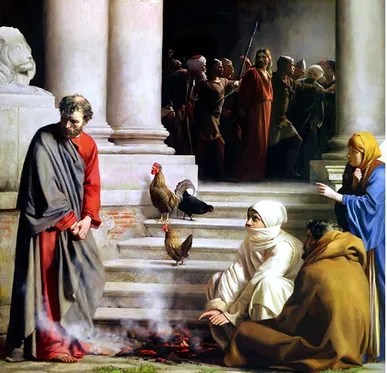
At a distance: Are we only willing to follow Jesus up to a point?

Wallace Benn
“And Peter had followed him at a distance right into the courtyard of the high priest” (Mark 14v54).
This describes the worst moment in dear Peter’s life, of which he was later so ashamed, and about which he needed the Lord’s forgiveness and reinstatement, which he graciously received (John 21). It was not that Peter had given up following Jesus, it was that at a crucial moment when he was under pressure he denied his master and Lord. Peter wanted to follow Jesus, but he did not at this time want the hassle and danger of doing so – it was all too much for him to cope with. Later Peter thankfully showed that he was more than willing to take up his cross and follow Jesus wherever that led.
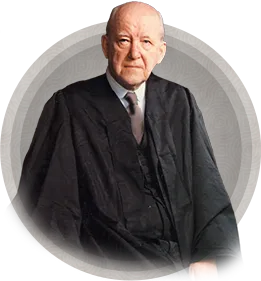
Learning from Martyn Lloyd-Jones: a Biblical synthesis of Reformed and Charismatic faith for today?

Adam Ramsey
Over the next few months, en will be running a series of articles written by Adam Ramsey, of Liberti Church, Gold Coast, Australia, exploring what we can learn from Martyn Lloyd-Jones today about the questions set out in the headline. The essays, of which there are five in total, need to be taken together. They are taken from original, yet-to-be published research undertaken by Ramsey for his Doctor of Philosophy thesis. They also, we hope, represent something of the generous-hearted, thoughtful, Biblical approach that en was founded 40 years ago in 1986 to embody.
Introduction
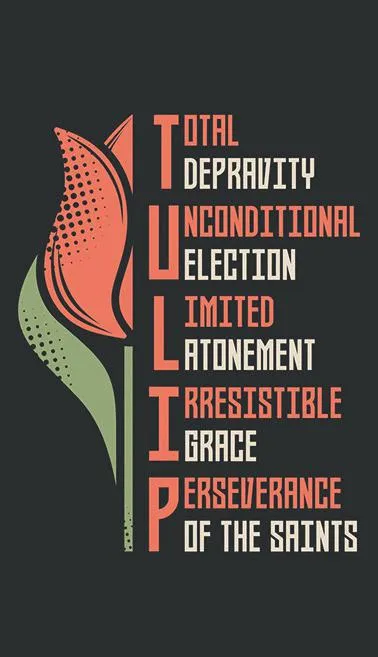
During the 20th century, it was no secret that Calvinists and Charismatics frequently viewed one another with mutual suspicion. Rarely would those who affirmed a high view of God’s sovereignty in salvation in the Reformed tradition, and those with a high experiential expectation of the Holy Spirit’s direct and supernatural activity, find themselves worshipping in the same church. Or, for that matter, even cooperating outside of their respective churches.






















































































































































Why I believe God does give us more than we can handle
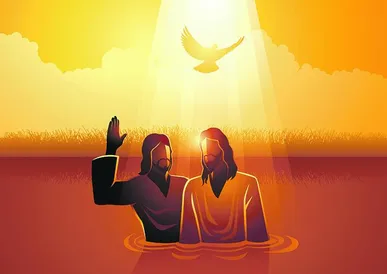
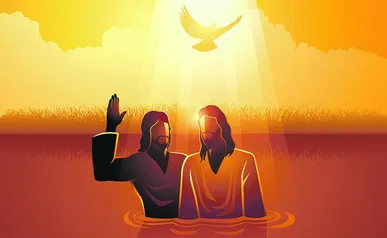
John the Baptist was dead. Beheaded. It was unjust, brutal, and senseless.
On hearing the news, Jesus left what He was doing and went with His disciples to a solitary place. He must have wanted to mourn, and pray, away from the crowds. But when He arrived, there was no solitude: somehow, word had spread about where He was going, and now a large crowd was waiting for Him.