defending our faith
Bayeux and the Bible

Chris Sinkinson
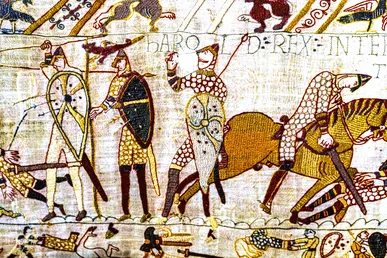
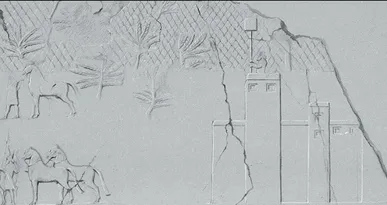
The Bayeux Tapestry has come home. We know that the embroidery was created somewhere in England nearly 1,000 years ago, following the Norman conquest.
It disappeared into obscurity for many centuries in France. Once a year it was displayed in Bayeux Cathedral before being folded away again. It only really came to prominence in the 18th century, when scholars took interest and published engravings bringing it to a wider public. Napoleon, with his own imperial French ambitions for conquest, used it for his own propaganda purposes. Since then, the 70-metre-long embroidery has continued to capture the popular imagination.

defending our faith
Opening the Bible G.A.T.E.
Chris Sinkinson
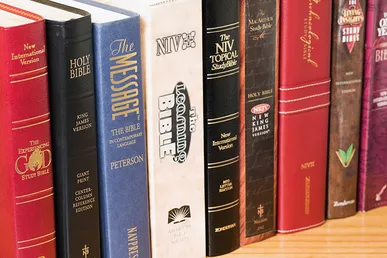
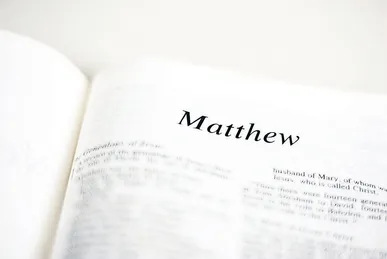
There is clear evidence of an upsurge in Bible purchases. More people want Bibles. Younger people are buying Bibles. Bibles are being eagerly sought particularly by those who have never read them and may feel that they are missing out.
We see anecdotal evidence for this at our church and no doubt plenty of stories can be shared around the country. A teenager visited our church for the first time recently, desperate to buy a Bible. He didn’t want to be given one for free. He wanted to pay for it, having never had a Bible before.
defending our faith
The New Testament’s P45
Chris Sinkinson
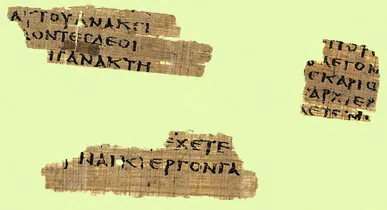
Have you ever held a P45 in your hand? Most likely you have, and it is the document you were given when you left a job in the UK. A P45 refers to things like the tax you have paid on earnings.
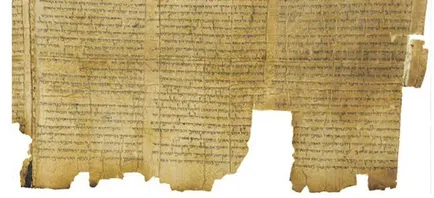
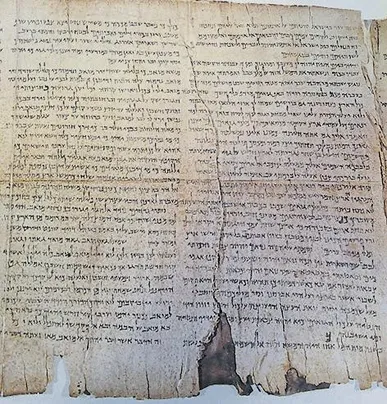
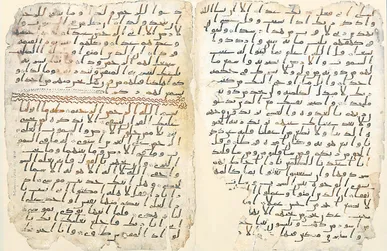
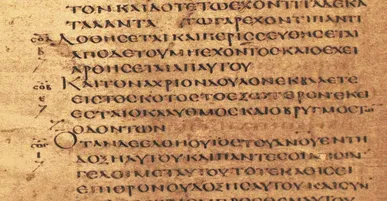
However, there is another P45 that refers to one of the earliest surviving New Testament documents. Dated to around AD 200 it includes parts of the four Gospels and the Book of Acts. It is enormously important to reconstructing what was originally written by the apostles and their friends. While substantially in agreement with the later manuscripts that the Authorised King James Version was based upon, there are enough variations to help clarify the original text.


























































































Comedy, free speech and warnings from the past
Hannah Arendt was a Jewish philosopher who grew up in Nazi Germany. Eventually she had to flee to France and, after its fall, across the Atlantic to the United States.
Soon after the war she wrote a remarkable reflection on the events that led up to Adolf Hitler’s domination. In her work, The Origins of Totalitarianism, she observed: “The ideal subject of totalitarian rule is not the convinced Nazi or the dedicated communist, but people for whom the distinction between fact and fiction, true and false, no longer exists.” Control ideas and you control people.