
Massive rise in Ukraine’s Bible demand
Slavic Gospel Association
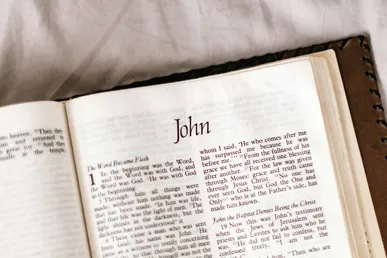
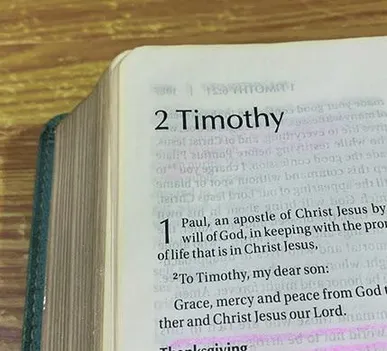
Demand for Bibles has multiplied exponentially in Ukraine since the vicious Russian invasion, new figures are revealing.
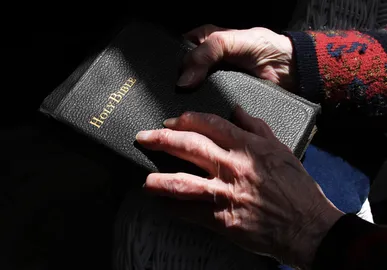
Some national church leaders are comparing the situation to that of immediate post-Communist days, when there was a significant and strong spiritual movement, resulting in many conversions to Christ. The Ukrainian Bible Society reports that in the first nine months of 2022, more than 359,000 Bibles were given out – at least two and a half times more than the number distributed in 2020. The trauma of the war, far from setting many hearts against God, has in fact created a desire in many thousands to know God and the nearness of His presence.
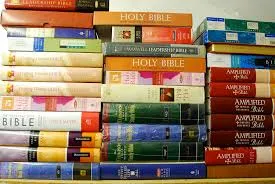
10,000 Bibles for children

Nicola Laver
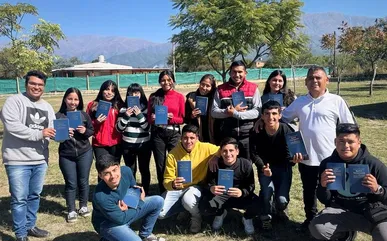
Many thousands of free Bibles have found their way into the hands of school children across London in just two years.
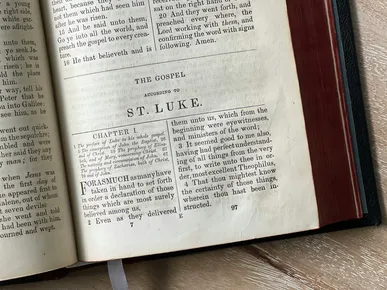
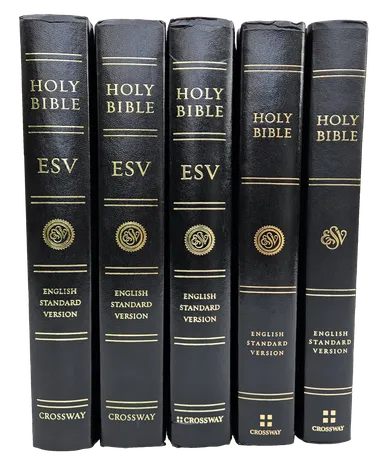
In December 2019, the Greater London Auxiliary of the Trinitarian Bible Society (TBS) was formed. Its focus has been on schools where 10,000 Bibles (King James Version) have been presented to children and a talk given about the Bible.




















































































Does Jesus hate people because of their ancestry?
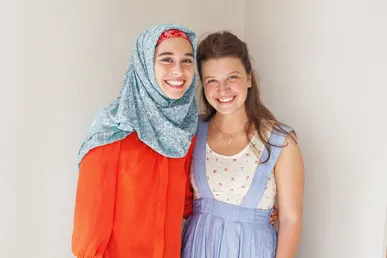
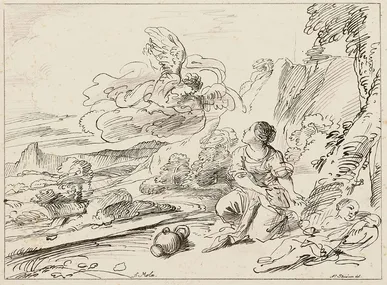
I have been involved in reaching out to Muslim people for over 35 years and, surprisingly often, I hear Christians talk as if descendants of Ishmael are cursed by God.
Few Muslims are actually descended from Ishmael, but I have often had to confront the idea that certain ancestries are less likely to be Christian – as if there is a genetic favouritism from the living God. I have even heard modern conflicts between Israel and Palestine framed as if one DNA is blessed by God whereas another is not.