
Call for action on betting surge

Luke Randall
Evangelical organisation Christian Action Research and Education (CARE) is calling for the government to ‘step in and hold the betting industry to account,’ following the revelation that the number of gambling adverts featured during the Premier League season's opening weekend has tripled since last year.
A study by the University of Bristol, funded by Gamble Aware, found that the opening round of fixtures across the weekend of 17 August saw 29,000 advertisements promoting gambling across the ten matches, marking a 165% increase on the previous year. West Ham’s evening clash with Aston Villa featured 6,500 ads, which works out to about 30 every minute.

sport watch
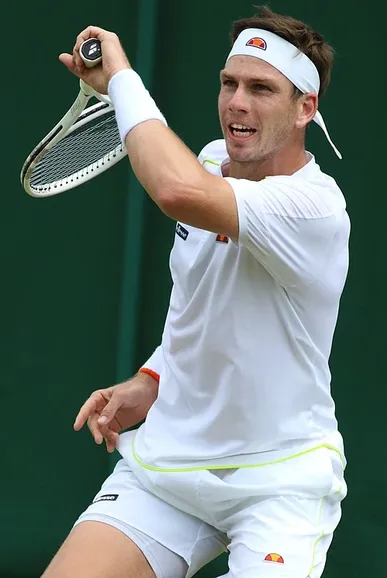
Do Sunday convictions make or break Christian athletes?
Luke Randall
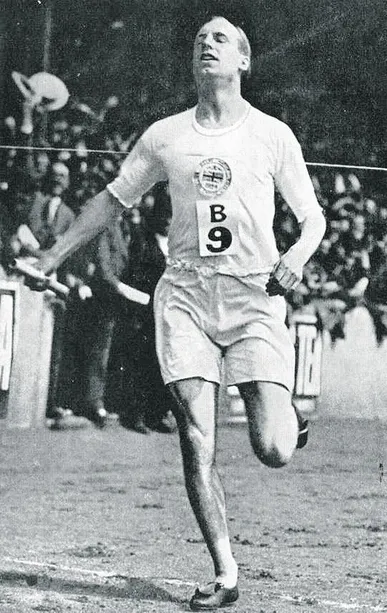
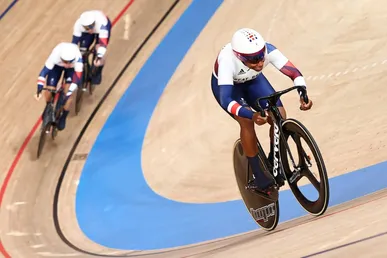
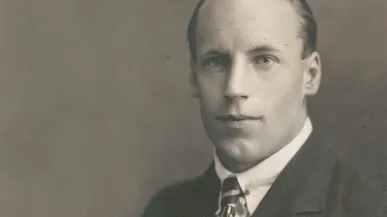
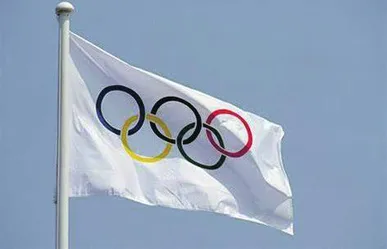
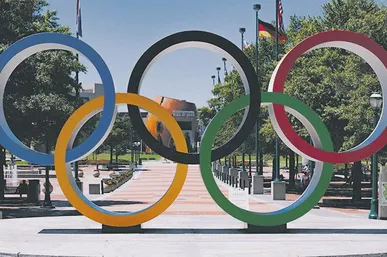
This summer’s Paris Olympic Games saw much made of Scottish runner Eric Liddell’s gold medal triumph in the 400-metre race in the same city 100 years ago.
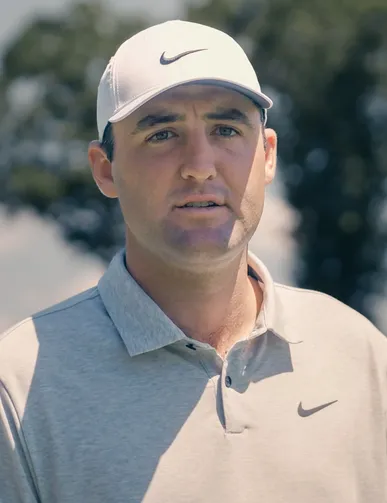
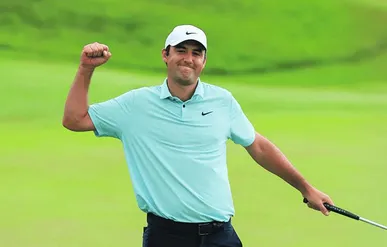
There are many athletes who profess to having a Christian faith today, as was seen recently at the Olympics, as well as in some of England’s footballers, and perhaps most notably, the world’s best golfer, Scottie Scheffler.
sport watch
What do football managers teach us about grace?

Rosie Woodbridge
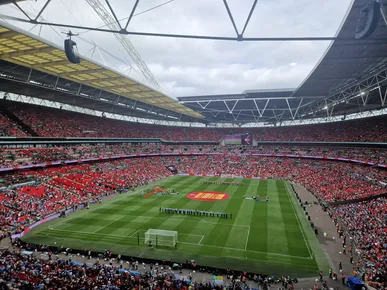
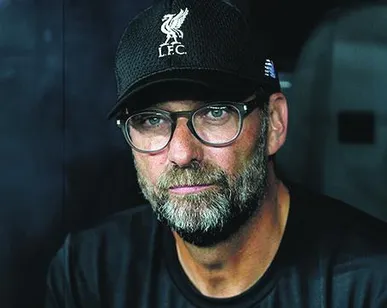
The fate of football managers has filled our sports news feeds in recent days.
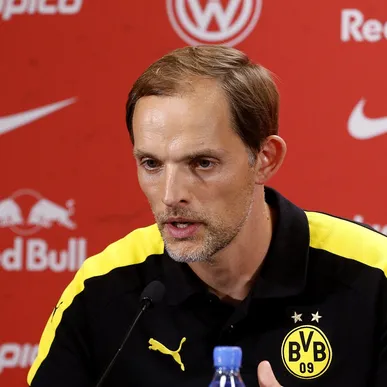
Taking the headlines, of course, is the appointment of new England manager Thomas Tuchel. Many will be pleased with the selection given his experience and success, being the man who brought Chelsea to Champions League victory in 2021. Some, however, will feel that there has been a sacrifice of principle; choosing success at the expense of homegrown English managerial talent. The hope is victory at the 2026 World Cup, finally ending England’s 60 year drought.



























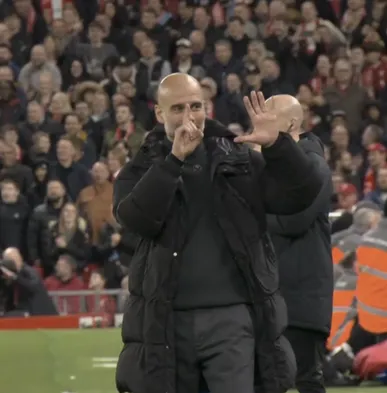

















































When rivalry becomes hostility - and what this reveals
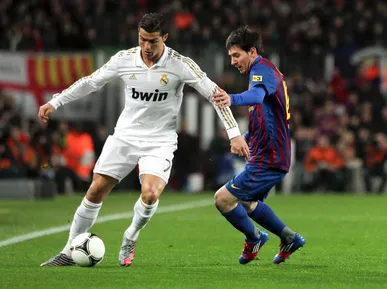
Two fires caught Glasgow’s attention last week. One was literal: smoke rising from a blaze at Glasgow Central Station that disrupted the heart of the city. The other was more familiar: the flare-up of anger and confrontation surrounding the latest Rangers–Celtic clash.
For a moment, the two seemed to echo one another — one a physical fire, the other the heat of football rivalry spilling over.