When we want to change – but find it difficult

Steve Midgley  |  Features
Date posted:  4 Aug 2025
Share Add       
When we want to change – but find it difficult

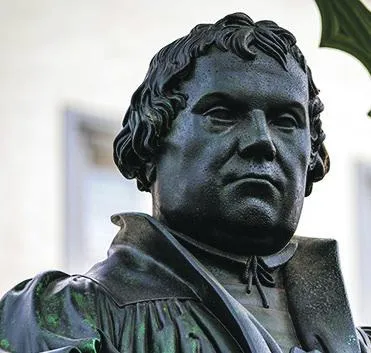
Statue of Martin Luther. Source: iStock

“You always do that!” Their argument, and his response, was discouragingly familiar. The same critique, the same sulking withdrawal.

“Why do I always do that?” It had been a few months this time – she was beginning to think she had cracked it. But a couple of clicks and she was back in the mire. Her resolutions, once again, proved no match for the strength of her habit.

The desire for change

There are things in all of us that we would love to change but that remain stubbornly ingrained. It can get dispiriting. For some it’s the angry outburst we instantly regret. For others the weak withdrawal when we should have stood our ground. Our failings may differ but the struggle to change is common to all of us. So, can we change? Or is the process of sanctification an elusive mystery fathomed only by the most exceptional of saints?


Dissatisfaction, in this case, is probably a good sign. The time for real concern is when we stop seeing problems. Once we are blind to the workings of the sinful nature, either we have a dulled conscience, or we have settled for superficial solutions. External change is always the tempting option. We like the sense of progress it gives us – and the impressive appearance we can present to others. But, as Jesus relentlessly pointed out, cleaning the outside of the dish but leaving the inside untouched is no solution at all (Matt.23v25).

Rightly understood, growth in godliness is one of the greatest joys – and challenges – of the Christian life. And it’s something God calls every believer to pursue: ‘We all … are being transformed into his image with ever-increasingly glory’ (2 Cor. 3v18). So, when stubborn habits persist, what are we missing?

Four elements of change

First, all of life is repentance. That was the reformer Martin Luther’s conviction – that change is never complete this side of glory. There is always turning to be done: a turn from sin and to God. But all too often we don’t get to the heart of things. Our turning happens only on the surface and not at the level of motivations and desires. No wonder we remain stuck.

Second, all the power for change rests with Christ. “I have been crucified with Christ”, Paul writes, and “the life I live in the body, I live by faith in the Son of God” (Gal. 2 v20). His power is our only hope for change, but many times we wrestle in our own strength.

Third, all the church needs to play its part. Sanctification is no private pursuit. Ephesians’ vision for maturity involves the whole body. Christ equips His people for works of service and as they speak the truth in love to one another the church grows into the “mature body” God intends (Eph. 4 v11-16).

Finally, all the glory goes to Him. Paul prays for believers to be “filled with the fruit of righteousness that comes through Jesus Christ – to the glory and praise of God” (Phil. 1v11). But all too often our ambition for change is driven by the desire for our own comfort and contentment. When we pursue change for His sake, we discover a dynamic that is Spirit-led and Spirit-powered.

Share
< Previous article| Features| Next article >
Read more articles on:   Keswick
Read more articles by Steve Midgley >>
Features
Out of our depth?

Out of our depth?

When caring for others, it’s important to know when we are out of our depth. In most lines of work, …

Features
The darkest of all sins?

The darkest of all sins?

What would you identify as the most damaging and disturbing of all sins? Of all our failings and missteps, what …

Give a subscription

Our monthly newspaper is the perfect gift for those who love to think deeply

Give here

Subscribe

Enjoy our monthly paper and full online access for just £40/year

Find out more