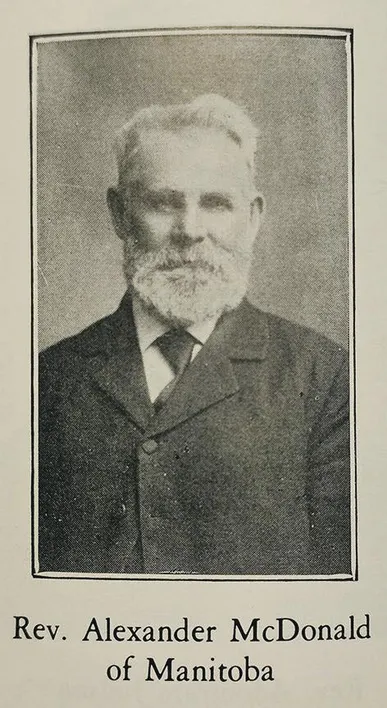
history
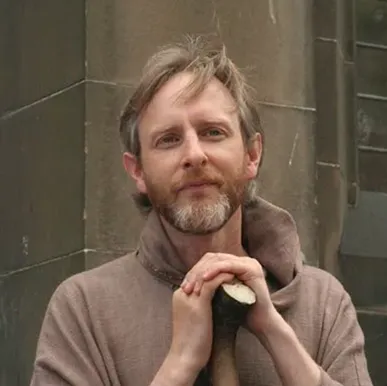
Daniel McPhail: The reluctant pastor of Osgoode

Michael Haykin
It was during the Ottawa Valley revival of 1834–1835, which was narrated in last month’s column, that the Scottish-Canadian, Daniel McPhail, became certain of a call to vocational ministry.
He lacked the funds, however, to pursue formal theological education. Providentially, as he was shopping one day in nearby St Andrews East (now Saint-André-d’Argenteuil), the Presbyterian postmaster of the settlement, Guy Richards, offered to provide the money he needed for schooling as well as for the support of his mother and siblings while he was away from home.
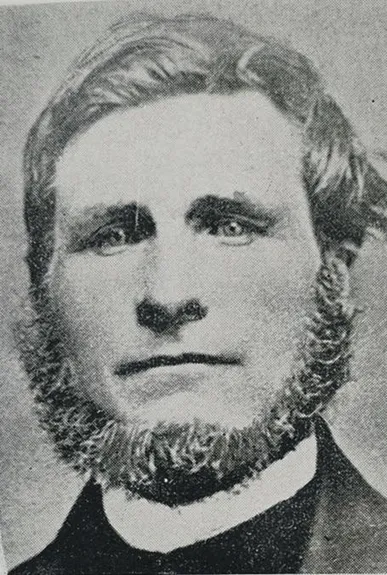
history
Daniel McPhail: A man of continual prayer
Michael Haykin
It was in the depths of a Canadian winter – on 17 February, 1836 – that various delegates from six Baptist churches met in Montreal to form the Ottawa Baptist Association.
While two of the churches were based in Montreal (an Anglophone work and a French-speaking congregation), the others came from what was a considerable distance to travel in those days: Breadalbane, Dalesville, Hull, and Clarence. Among the stated aims of this Association were the deepening of the ties of fellowship between those “Baptist churches as agree in holding the sentiments commonly called Evangelical” as well as “the advance [of] the cause of Christ”. For the latter, it was stressed, a certain type of man was needed: “Men of deep personal piety – of compassion for ruined undying souls, strong as power, yet tender as a mother’s heart – of love to Christ, which glows with unceasing ardour – of holy, harmless zeal, which never tires – of humility, that sinks into the insignificance of a cypher – of moral courage, which meets difficulties, insurmountable to others, as little things…”
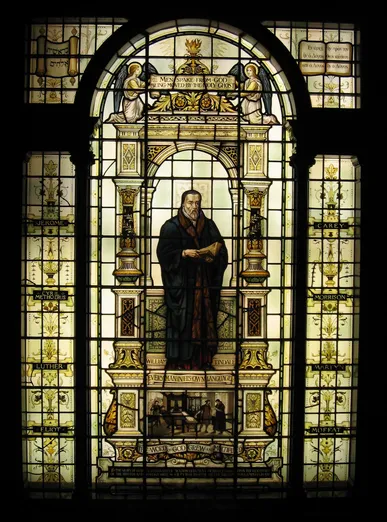
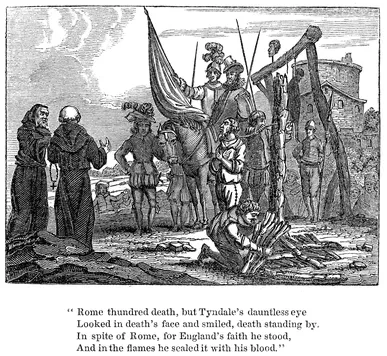
500 years of William Tyndale and the English Bible
On 30 June 1513, the young king, Henry VIII, arrived in Calais determined to reassert his title as "King of England and France."
His army, together with the flamboyant and hugely expensive royal paraphernalia that accompanied it, spent three months achieving little before returning home to a plague-ridden England, with measles for the King and a miscarriage for Queen Catherine.



































































Should the CofE pay slavery reparations?
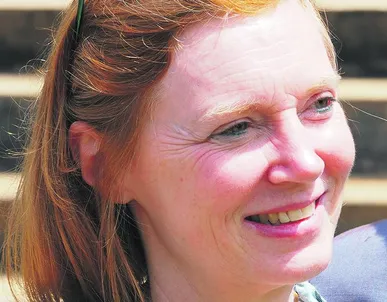
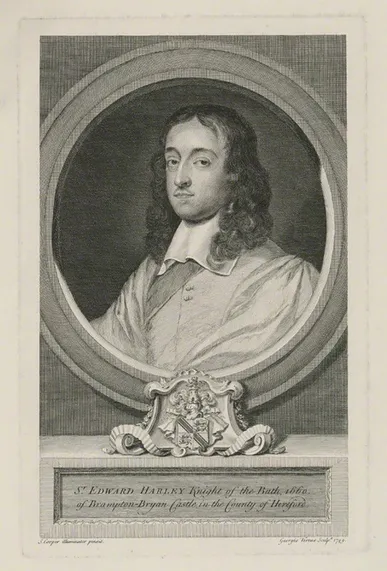
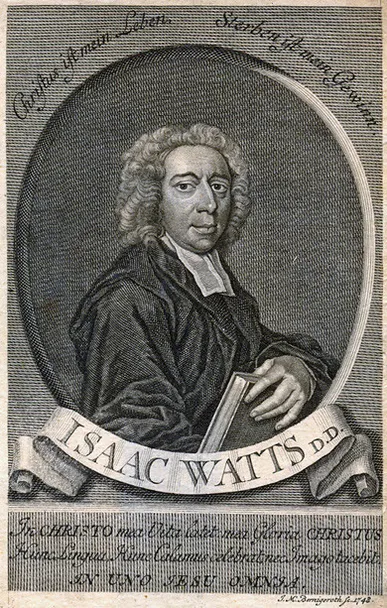
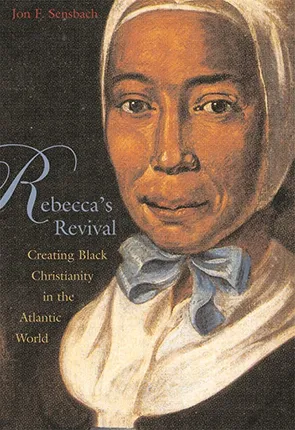
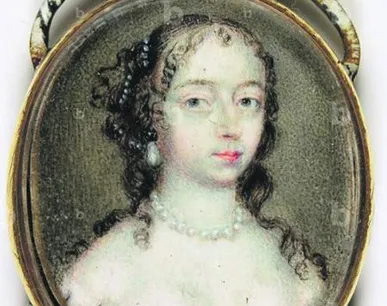
During a recent trip to Ghana, Archbishop of Canterbury Sarah Mullally renewed her commitment to a £100 million reparation fund in light of the Church of England’s historic investments in companies involved in the Trans-Atlantic Slave Trade.
The fund was originally pledged by Mullally’s predecessor Justin Welby, who argued that the reparations would give a "better and fairer future for all, particularly for communities affected by historic slavery".