
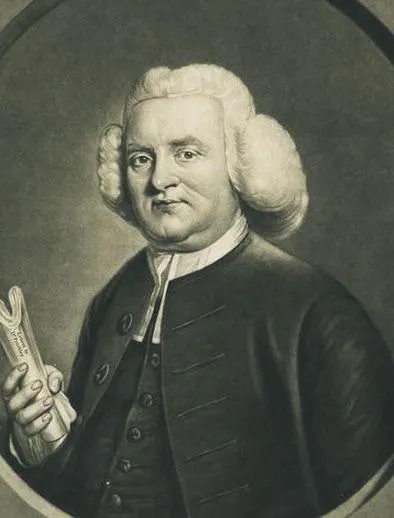
Although the name of John Macgowan, a Baptist author of the long 18th century, is all but unknown today, many of his books went through numerous editions during his lifetime and in the decades immediately after his death that bespoke a wide popularity amongst a certain class of readers on both sides of the Atlantic.
With titles such as Death: A Vision (1766), Priestcraft Defended (1768) – a satirical attack on the University of Oxford for expelling six evangelical students – Infernal Conference: or, Dialogues of Devils (1772) – a forerunner of C.S. Lewis’ The Screwtape Letters – and Socinianism Brought to the Test: or Jesus Christ Proved to be either the Adorable God, or A Notorious Impostor (1773), Macgowan was well-known for his hard-hitting and, at times caustic, defence of orthodox Christianity.
Early years
He had been born in Edinburgh in October of 1726 and was apprenticed to be a weaver. In 1745-46, though, he joined the ill-fated army of Charles Edward Stuart in the latter’s attempt to seize the throne of England. He fought at Culloden in April of 1746 and was one of the few Scottish soldiers to survive, fleeing for safety to Durham.




The unexpected Christian roots of Premier League football
This Saturday lunchtime, Tottenham Hotspur play Aston Villa in the Premier League. More than 60,000 people will fill the Tottenham …