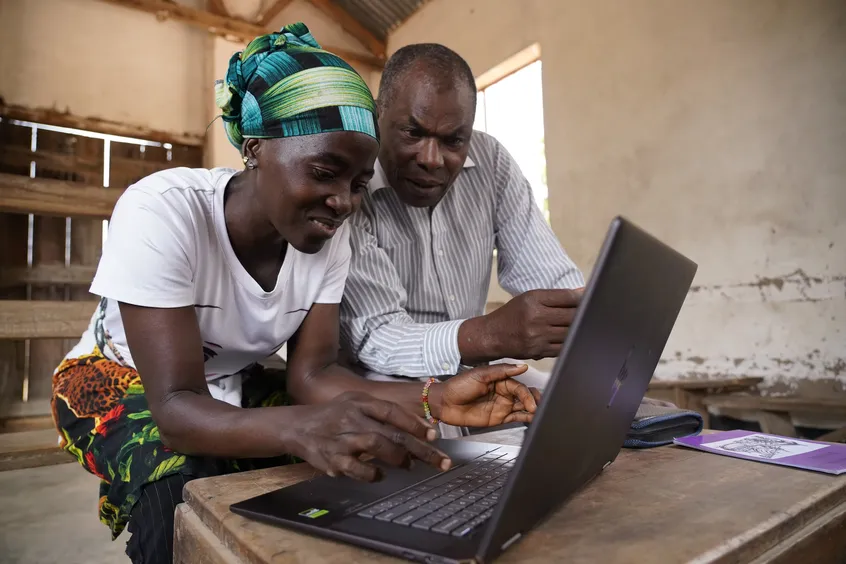
Imagine you spoke a minority language that Google could not translate. Now imagine that before you could hear the gospel, you had to learn to speak and read in another language. Now imagine that there was a technology that could help provide you with a Bible of your own, in your own language, in a fraction of the time it took ten years ago.
In Artificial Intelligence (AI), Bible translators have such a resource, and there is enthusiasm for meeting this need with AI’s help. According to Christian linguist Randall Tan, Bible translation organisations like Wycliffe and Summer Institute of Linguistics (SIL) international have set a goal that by 2033, 95% of all people will have access to a full Bible in their language. If that is to happen, the role of AI within the translation process needs to be taken seriously.
How can AI help with Bible translation?
But how can Artificial Intelligence help?