
William Carey, the Particular Baptist from the Midlands, is often regarded as the pioneer voice in English-speaking circles for the urgent need to take the gospel beyond the cultural horizons of western Europe.
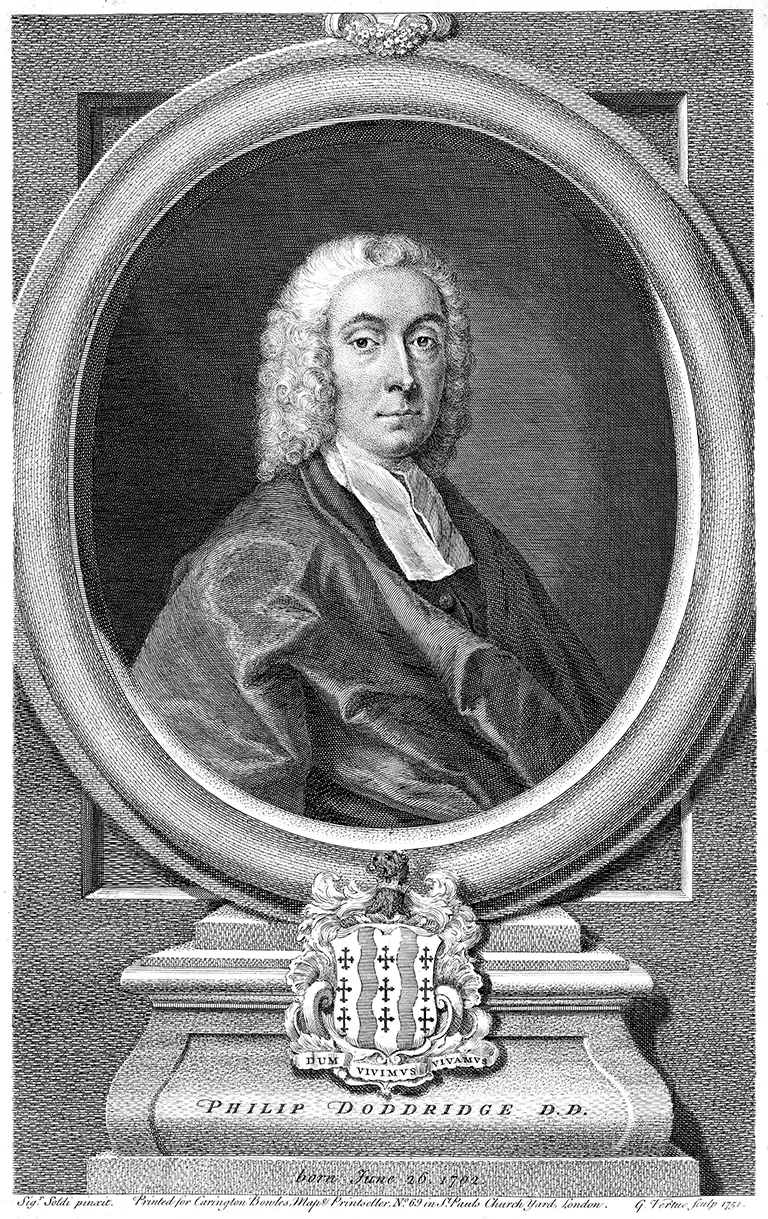
But it is very evident that Carey’s iconic status in this regard has overshadowed earlier figures who had a similar passion, one of whom was Philip Doddridge (1702–1751). Doddridge is a tremendously important figure in the development of British Dissent in the 18th century, as it moved away from the somewhat insular world of late 17th-century Puritanism and became a key participant in the Evangelical revivals of the 18th century and the global expansion of Christianity.
Doddridge’s significance
Doddridge was the pastor of an Independent (Congregationalist) church at Castle Hill in Northampton from 1729 till his death. If he is remembered today, it is as a hymn writer and as the author of a minor spiritual classic, The Rise and Progress of Religion in the Soul (1745), which played a key role in the conversion of William Wilberforce, among others. He was a leading figure in education, both of future pastors at his Dissenting Academy and also of children. Alan Milner Everitt (1926‒2008) was emphatic that he should be considered the founder of the Sunday School movement rather than Robert Raikes. He played a major role in the establishment of county hospitals for the poor and was an ardent champion of inoculation – his edition of David Some’s The Case for Receiving the Small-pox by Inoculation (1750) was an important landmark in the fight against smallpox, the great killer of his day.








The unexpected Christian roots of Premier League football
This Saturday lunchtime, Tottenham Hotspur play Aston Villa in the Premier League. More than 60,000 people will fill the Tottenham …