In one of John Wesley’s sermons, ‘The Scripture-way of Salvation’, the Methodist leader sought to sum up the Wesleyan vision of the way of salvation as well as correct certain misunderstandings of this view of the Christian life.
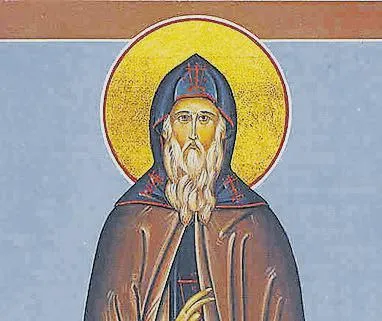
At one point, Wesley was concerned to stress that in the overwhelming experience of conversion it was natural for those who go through it to think that they are done with sin: ‘How easily do they draw that inference, “I feel no sin; therefore I have none”.’ But soon, Wesley stressed, ‘temptations return and sin revives, showing that it was but stunned before, not dead. They now feel two principles in themselves, plainly contrary to each other: “the flesh lusting against the spirit”.’ Wesley then cited an obscure fourth-century monastic author whom he called Macarius to support his point.
John Wesley and Macarius
Wesley had been introduced to a German translation of Macarius’ sermons in the colony of Georgia at the end of July, 1736, by some Moravian friends. The major themes of these sermons nicely dovetailed with Wesley’s own interests, for in them Macarius especially set forth the saving work of the Holy Spirit and explored the experience of the believer, who, though indwelt by the Spirit, nevertheless battles indwelling sin.