We are five years away from the 1,700th anniversary of the Council of Nicaea that was designed to bring an end to what historians call the Arian controversy.
This was the controversy engendered by the denial of the deity of both the Lord Jesus and the Holy Spirit by an Alexandrian elder named Arius in the late 310s. Instead, the Council initiated a further 60 years of intense theological reflection and controversy. It led eventually to the promulgation of the Creed of Constantinople (381) in which the full divinity of Christ and His Spirit are confessed, and, implicitly, the formula – one God in three persons – taken as essential grammar for our speaking about God.
Confessing the Holy Spirit as God
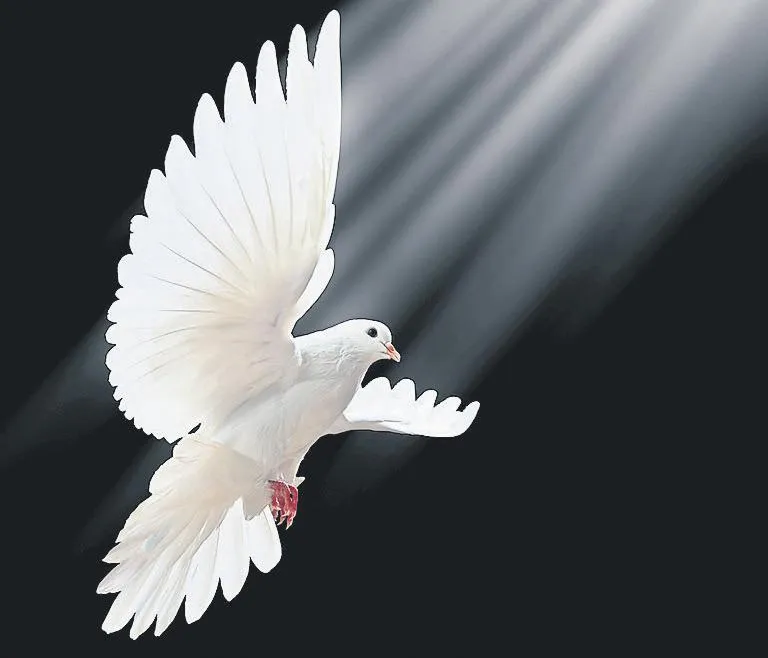
In the final stage of this controversy (358–380) the focus was on the deity of the Holy Spirit. And it was the writings of the fourth-century Cappadocian Fathers – Basil of Caesarea, his brother Gregory of Nyssa, their close friend Gregory of Nazianzus, and Nazianzen’s cousin Amphilochius of Iconium – that played a critical role in elucidating for the church the biblical data regarding the person and deity of the Holy Spirit. One of the arguments that they brought forth for the deity of the Holy Spirit was based on the fact that He is designated in the New Testament as holy.