In 1856, English chemistry student William Henry Perkin (1838–1907) was looking for a cure for malaria – he stumbled upon a way to make a synthetic purple dye from coal tar.
In so doing, he literally changed history, for his discovery led to advances in medicine, photography, perfumery, food production, and revolutionised the fashion industry.
Making ancient Tyrian purple
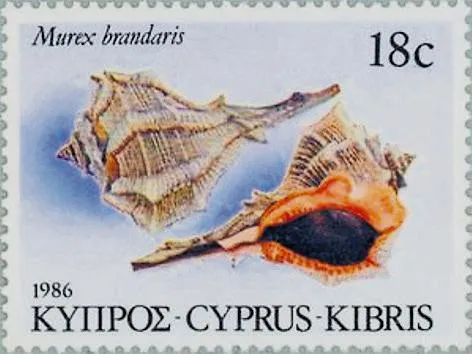
Purple has long been valued as a colour because, for many years, obtaining it entailed a monumental difficulty. According to the Roman scientist Pliny the Elder, who died in the eruption of Vesuvius in 79AD, the best purple dye in the Ancient Near East was manufactured at the Phoenician city of Tyre (for the association of Tyre with purple dye, see 2 Chronicles 2:7).