How much responsibility do we have to know what is happening around us?
I have a relative in Australia who never listens to the news on TV or the radio and never scrolls through social media. He did not hear about the shooting at Bondi Beach until days after the event. When he did hear, he did not engage or find out more about it. Does it matter?
He is not a Christian, and he would rather not know about things outside of his control; they make him sad, so he shuts them out.
The writer of Ecclesiastes would agree with him to some extent for "with much wisdom is much sorrow; as knowledge increases, grief increases" (Ecc 1v18).
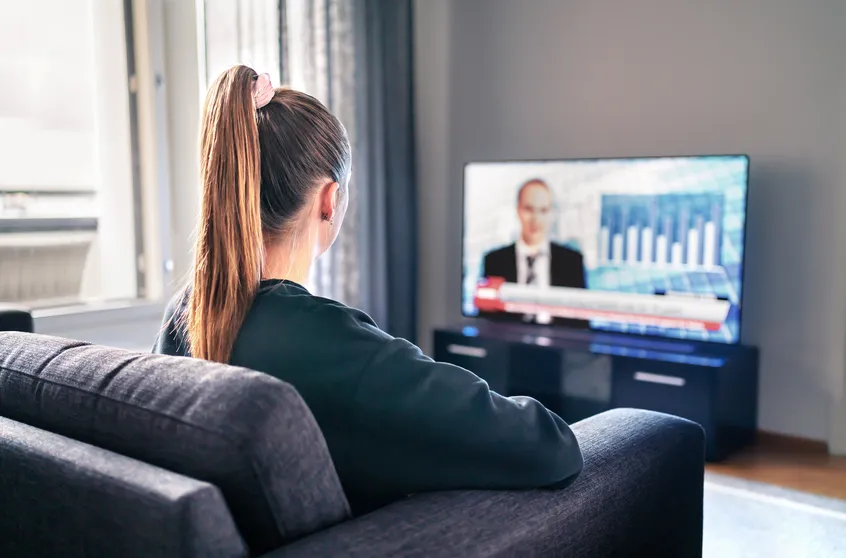
Lots of Christians are news-avoiders too. After all, God is in control, and we can entrust all things to Him and get on with life day-to-day – the news is too depressing we say. Others like to be on the pulse, to stay up to date, and to engage actively with culture so that they understand the times we are living in. However, our 24-hour news cycle is relentless and being caught up in it can suck us into a never-ending loop of negativity.
I remember a curate enthusiastically talking about the current affairs book he was reading to his boss, who responded with the comment: "Very interesting, brother, I’m amazed you have the time."
Questions to consider
It was simply put. Time is a precious commodity. How should we use it? What should we engage with? Do I need to listen to the news on one of the many news and current affairs podcasts? Or read the latest non-fiction bestseller on The Times book list? Is there any value in being up to date and well-informed? These are questions we should all consider.
Many under-30s I know never watch the news, but they spend huge amounts of time on YouTube or TikTok watching short-form videos to avoid the ugliness of the world around them. They use clickbait as soothe-bait – endless entertainment to drown out reality. But is watching the news, reading a newspaper, or scrolling through news on a phone more worthwhile?
The news cycle is sold to us as both informative and as another form of entertainment. But is it all just another rabbit hole which drains time away from us, but unlike social media, we justify it as more worthy?
The news and its impact
World events do impact our lives; sometimes they seem distant, sometimes they affect us directly, and sometimes they turn everything upside down.
The current war in Iran involves millions. To some of us, it is a distant war; it is "news" – its impact is felt only as the price of petrol rises. Others may have felt more inconvenienced as they scrambled to rearrange international flights to avoid flying through the Middle East.
But others are now living with constant anxiety for loved ones far away, praying for safety and peace, and they will be desperate for news.
Then there are those living with the physical reality – it’s not news, it has become daily life.
How much should we engage with the news of such events? How can we avoid the uncomfortable feeling of voyeurism as others’ suffering is presented to us on our screens? Do we need to know?
Wisdom and discernment
The "news" is full of propaganda and distortions; it is not objective. It is bound up in political opinions and business interests. It is not reliable "truth," and sometimes it's as destructive as clickbait social media. But ultimately, the news shows us the impact and threat of "the world, the flesh and the devil." It shows us war and rumours of war.
The news might help us navigate our day-to-day circumstances, such as the need to change those flights to Dubai, for example. It may cause us to weep and mourn. It may frustrate us as we hear of injustices, and it will remove our feeling of security in the things of this world. It can help us know what to pray for and lead us to cry out: "Your Kingdom come."
The knowledge we gain makes us realists; we live in a groaning creation waiting for redemption. This, in turn, can impact what we say to others who have no hope. But ultimately, our perspective needs to be channelled not by newspaper columnists or even BBC Verify, but by the purposes of God.
The preacher in Ecclesiastes knew that knowledge can make us sad, but he also knew that wisdom is better than ignorance. We need to be discerning in what and how much we consume, but being good citizens will involve varying degrees of engagement with current affairs unless it overwhelms us with such hopelessness that we are tempted to forget God is our refuge and strength. Because we do not need to fear or put our fingers in our ears to drown out the world, even in the face of news that the earth trembles, nations rage and kingdoms topple, the God of Jacob is our stronghold.
It is in our God that we have security. We don’t need to pretend all is well; we can run to Him.
'Keir Starmer, please don't apologise to me'
Keir Starmer has apologised to me.On 2 July, he stood up in Parliament and apologised to mothers and adoptees …