How do you spot a fake in leadership?
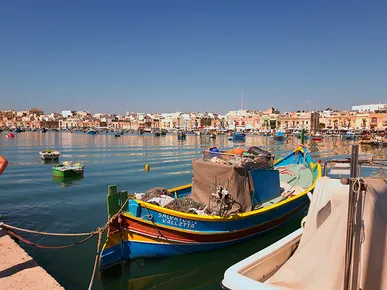
The question came to me as I woke this morning and pulled back the curtains in my hotel.
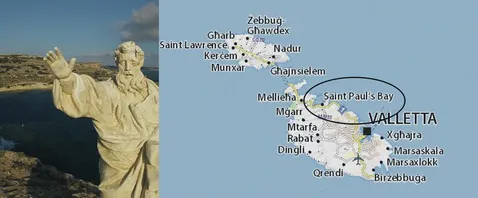
I was looking across the sea to a monument on a small island which is said to be the location where the apostle Paul was swept ashore, together with his two travelling companions, Dr Luke and Aristarchus. In all 276 people were miraculously saved. The graphic account of the perilous sea journey is detailed in Acts 27, where Luke gives a first-person account of the voyage.

Leadership is not control, but love – John Benton
Male church leadership is under attack from several directions, particularly because of glaring examples of men whose leadership has been abusive. In churches that take a complementarian view of church leadership, how do we prevent these abuses? We need to think of male leadership in church as father-like, writes Jim Sayers.
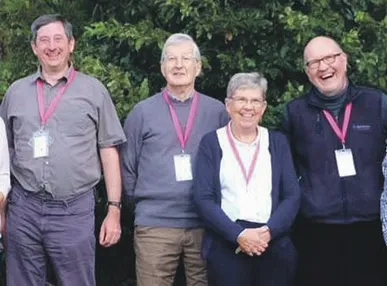
John Benton from Aylesbury explored this theme in one of the key sessions at an overnight event for Grace Baptist pastors at High Leigh in March. Leadership should not be about control, he said, but about stimulating, loving, and extending the family. In a generation where young men are regularly failed by the education system, where automation is taking many of their jobs, do pastors understand them? Issues of race, misogyny and gang culture exacerbate the challenge. At the same time, churches need to be places where strong, gifted, and intelligent women are encouraged to flourish. Male leadership that ignores women is both harming them and stunting the growth of the entire church.





















































































































Tired of 'plodding along' in ministry?
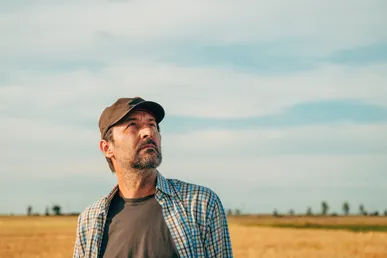
There is a reason why Paul reaches for farming when he wants to describe what faithful ministry looks like. Not architecture, not conquest, not business, not a product launch – farming.
"The hardworking farmer," he writes to Timothy, "ought to have the first share of the crops" (1 Timothy 2v6). And to the Corinthians, pushing back on a church already obsessed with cliques and celebrity: "I planted, Apollos watered, but God gave the growth" (1 Corinthians 3v6).