Addressing the 'sins' of segregation and nationalism

Neil Robbie
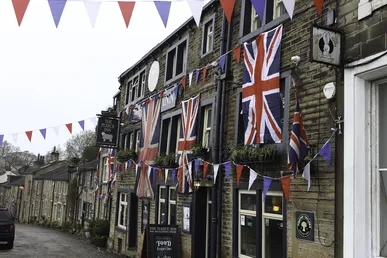
As I drove from Sutton Coldfield to West Bromwich on Monday's bank holiday (a distance of eight miles) I passed dozens of Union Jacks and St George's Crosses fluttering on lampposts.
This phenomenon is not unique to the West Midlands. It’s spreading across England.








Protests: Following Jesus in a world of anger
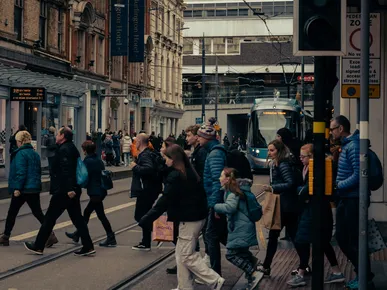
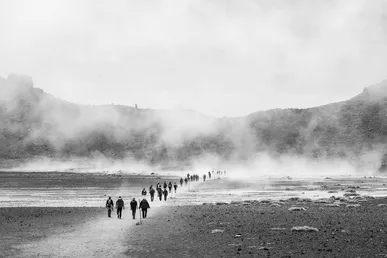
Protests have been in the news a lot recently. From January's murderous putdown of protesters in Iran to simmering turmoil over student protests in France. Violence has erupted in Belgium and Albania. There are clampdowns against protests in Mumbai and, in these green and pleasant lands, there are regular local protests against immigration, accompanied by counter-protests.
Protests are a symptom indicating that something is wrong. When enough people become sufficiently angry to make a fuss by gathering on the streets, with banners and slogans, trouble can spill over. Protests tell those who cause the problem that change is needed, demanded and expected. Protests are often a response to sin and evil, speaking truth to power. Protests can also be a sinful and evil response to truth, resisting what is good and right.