
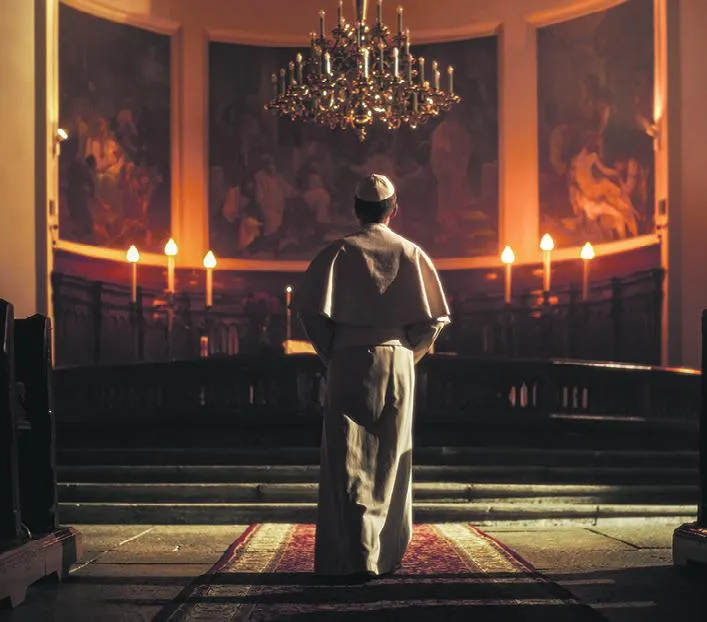
As expected, the highlight of the 1,700th anniversary of the Council of Nicaea was the ecumenical prayer presided over by Pope Leo XIV at the ruins of the church of St Neophytus in Nicaea (today the name of the town is Isnik), where the Council meetings were held in 325 AD.
The Pope was symbolically at the centre of the scene, the point of connection between everyone, flanked by the Patriarch of Constantinople Bartholomew and other ecclesiastical dignitaries seated behind him in lesser roles.
The question that was not asked (but its positive answer only assumed) is: In what sense the Nicene Creed is the basis for ecumenism? The reality is that while different people can affirm – and even recite – the words of the Nicene Creed together (e.g. remission of sin, Mary, church), they mean different things according to their different theological frameworks and church’s allegiances. Evangelicals want their faith to be not loosely attached to Scripture, but under God’s Word and always open to be corrected by it.




Rome & Mary: Fresh clarity, or further confusion?
"Roma locuta, causa finita est!" ("Rome has spoken, the issue is over"). This phrase taken from Augustine (Sermo …