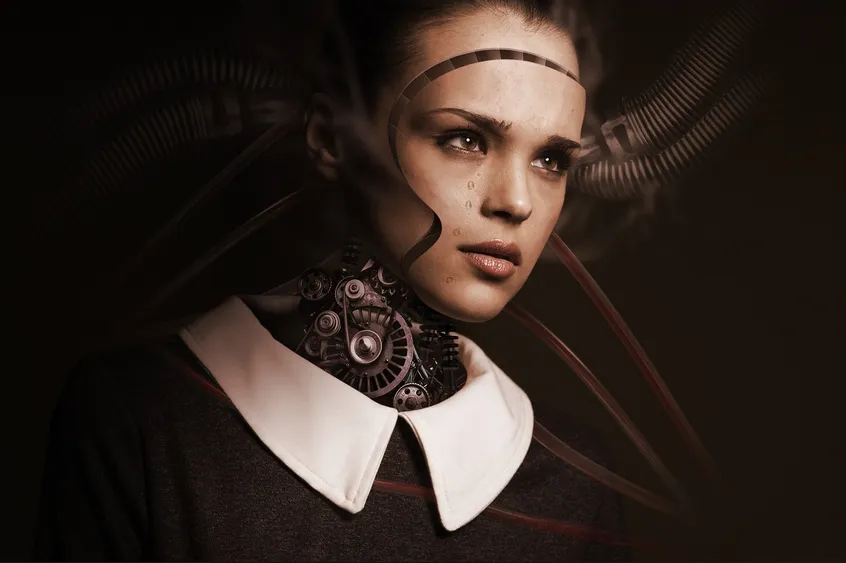
It is natural for people to grieve for loved ones who have died. One of the ways that people have tried to cope is through artificial intelligence (AI), with the creation of "deathbots" (also known as "griefbots").
The process of developing deathbots includes inputting all the words that the deceased person would use into the computer programme by using personal material such as e-mails, texts, voice notes, and social media posts. One limitation is the inability to portray the nuances made in communication (such as stress or tone), so the resultant speech can be monotone. Nevertheless, while the interaction may lack authenticity, the emotion for the bereaved person will be undoubtedly real for there will be a psychological buy-in.
Furthermore, the responses and the character in the deathbot can be continually changed as to how the bereaved person is to be portrayed so, for example, the deathbot can be more tender and loving than the person was whilst they were alive. Whilst most deathbots are static in development, one provider has versions that "evolve" so that the deathbot is more "authentic" by keeping up with technology and new information, even responding to events after the death of the person.
The difficulties
For some grieving individuals, the use of deathbots can prolong the early stages of the grief process as the digital likeness may make it difficult to move on, especially if the responses open old wounds. If the deathbots are poor representations, it may also lead to feelings that the memories of the loved one have been cheapened.
There are also ethical problems about granting access to the deathbot to family and friends. The matter of consent is still uncertain, along with concerns about where the deathbot may be shown to others and how it could affect them—particularly if its portrayal of the loved one conflicts with someone’s personal memories.
In addition, legal complications arise regarding the use of posthumous material, especially as firms developing deathbots are seeking to make financial profits. (There have been instances of people dictating in their wills that their electronic communication was not to be used in this manner.) The companies must navigate the balance between their monetary success and the psychological wellbeing of their clients, who may be drawn toward this AI-generated personification in a type of electronic séance.
The alternative
In our mourning, it is natural and beneficial to express sorrow by assembling items for a memory box. Its contents could include items of clothing, photographs and anything that would remind us of that person.
We will recognise their enduring influence in our lives so far and shaped our characters before they died. It will continue to be so as we proceed with our lives, including the decisions we make.
Despite the advantages in digital technology, deathbots could never replicate the real person that we loved: music that will evoke memories; sights that bring joy and also sadness; the absence of touch; certain smells, for these are the most powerful senses.
More importantly, if our loved ones trusted in the Lord Jesus, they will be with Him now, as promised in the Bible (John 14v19; Romans 6v5); this certain hope affirms that they are now truly the person that God created them to be, far beyond anything that artificial intelligence could ever achieve.