Have you seen the recent news footage of flash floods sweeping through towns or villages?
Twice in the last month flooding in our little corner of suburbia has made it into the national news. The crisis response is clear. The Fire Brigade is called to pump out. The strongest and fittest carry the vulnerable to safety through the water. And then the cameras return two weeks later. As the water ebbs away, so does the jovial wartime spirit. Instead, each house fills a skip with stinking carpets, broken kitchen appliances and ruined personal treasures. The clear up is usually more painful and longer lasting than the crisis.
Back to normal?
I suspect we all know this: we are not going straight back to our old normal. Our churches are meeting again, but some chairs remain empty. Our schools pick through the regulations, but some children are still anxious. Our loved ones sit at our tables again, but they look much older. The clear up from Covid could well be more painful and longer lasting than the crisis.
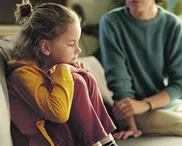
Our children are handling some big emotions. They may be small, but the pressures on them have been huge. Children are developmentally different to adults and each child is different, but the struggles and temptations of the human heart remain the same, irrespective of age or stage. The critical difference of youth is that they are still developing their coping strategies. Let us take this opportunity to teach our children to turn to God with their emotions, so that He can tend to their troubled hearts. As will always be the case, it is in the tears (not the laughter) when our children can be shown their Lord most clearly.
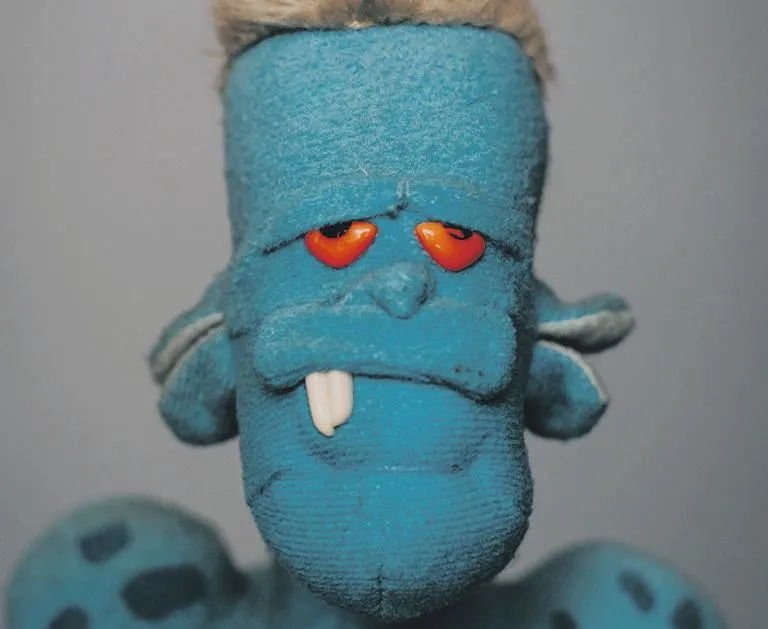
Meet the monsters
There are monsters that lurk in the darkness for our children. In these strange times these monsters may have become closer than ever before. Our children do not need to fight them alone and they do not need to be crushed by them. God is for our children. In His care, they find their shelter, their companion and their reassurance. His love, faithfulness and protection are big enough to enfold whatever they are experiencing. Through the Psalms, we can teach our children to run to God when the monsters loom large in their lives. Look how the Psalms speak to four of the monsters:
Apathy says: ‘God can’t help when it hurts’. Read Psalm 136 as God’s rollercoaster of love through truly horrible histories.
Abandonment says: ‘I am afraid and I have been deserted’. Read Psalm 23 to hear how their shepherd walks with them through the worst of times.
Anxiety says: ‘I am worried because everything is out of control’. Read Psalm 46 to hear what the Christian can say when everything feels like it’s falling apart.
Insecurity says: ‘I can’t wait for God’s happy ending, I’d better rely on something else’. Read Psalm 33:12-22 when no-one else seems to be trusting God to get them through.
In the Psalms, our children can hear every cry of their hearts echoed, raw and unvarnished. They can hear their own emotions expressed. They can see their feelings of anxiety, loneliness, doubt or despair painted in full colour. As they grow, our children won’t always want to listen to their parents and their parents won’t always be in the next room. By looking at the Psalms, we are teaching our children to find their comfort in God’s word and with God’s people.
Faith in Kids has written a series of four Sunday School sessions to help our families work through this period of clear up. We have focused on these four overwhelming emotions our children might be feeling after this last year.