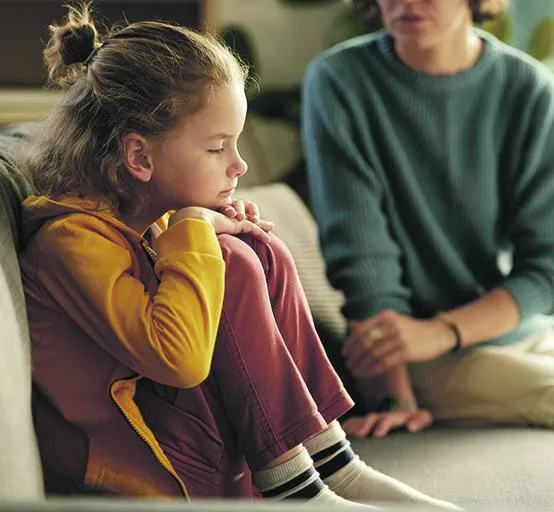
A senior child psychologist recently did a poll of the 150 young people being cared for by his department. Each young person had a regular 45-minute appointment, sat on a sofa as one of the clinical professionals asked questions and listened carefully to their answers.
These young people were asked whether they had another adult in their life who they felt they could ask to sit with them in a similar way for 45 minutes to listen to them. Only five said they did.
Significant challenges
These 150 young people are experiencing a chronic mental health situation in need of high-level professional help. Perhaps this straw poll is not reflective of the young people’s experience in your church or your community. However, the most recent NHS England report says that one in five of children aged eight to 16 are estimated to have a “probable mental disorder”. Even in younger children (ages five to seven), the prevalence sits at around one in ten. The causes are complex, but the data is clear that across many measures we are seeing a marked decline in the mental wellbeing of the next generation. Our own small survey of over 170 church leaders showed that this is the number one topic for which parents come seeking support.

We have to grapple with the fact that the last decade has seen some significant changes in the landscape for our children. They are spending less time playing with their friends. The fact that I need to add “in person” to this statement makes the point. Parents increasingly find it hard to let their children experience the normal lows of childhood, frequently rescuing them from the distress that could equip them for the next challenge. Screens and social media have changed the way many young people think about who they are and their worldview.
Our children are increasingly hearing plenty of good advice at school and elsewhere: It starts with a good diet, enough sleep and some exercise. We can add to that moments of quiet reflection, deliberately filtering one’s thoughts, asking for help, practising gratitude and learning self-regulation strategies. The goal is that our children can walk themselves through the normal ebb and flow of their feelings that will inevitably follow the joys and struggles of their lives.
Godly wisdom
We may well be struck by how many of those “techniques” represent age-old godly wisdom found in the Bible. For instance, in the Psalms our children find songs to fit every feeling. They can learn how to lift their voices to God whatever their situation or emotion. They can lift their eyes and minds from what is around them to look to God for peace and safety.
While mental wellbeing is a live issue for families and churches, it is not simple offering the Psalms to children. That is why we have developed a suite of resources for churches and for parents called, Looking to God: Mental Wellbeing in the Psalms. At the start of May, we will be launching vivid animated videos telling the story of four Psalms with accompanying Sunday School resources and podcasts both for parents and for the whole family to listen to together. There will also be some simple videos that allow parents to take one step into an intentional conversation with their child.
If we want adults who can navigate their struggles in a changing culture, then we need to start when they are children. How much we long for our children to learn to cry out for themselves: “Where does my help come from? My help comes from the Lord. He made heaven and earth” (Ps.121v1-2)