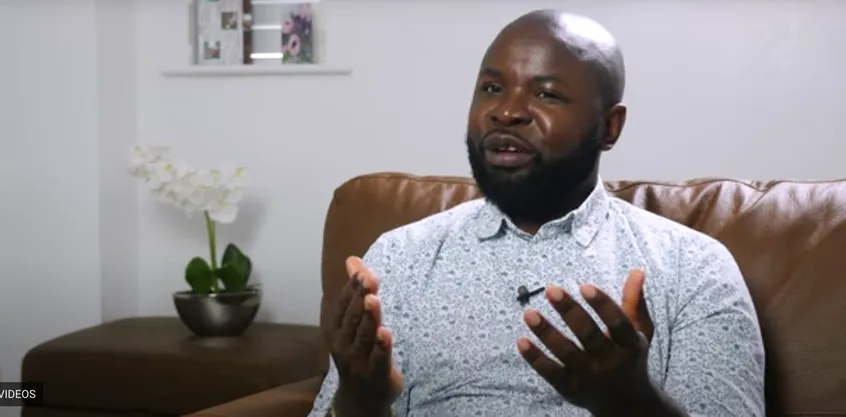
An NHS provider directly discriminated against social worker Felix Ngole by withdrawing his ‘dream job’ after discovering he held orthodox Christian beliefs on marriage, an Employment Tribunal has ruled.
But Ngole is appealing because the judge decided the employer was justified in not reinstating him following a second interview.
Ngole sued Touchstone Support Leeds for religious discrimination after it withdrew his job offer on discovering that that in 2019 he won his case in the Court of Appeal over his right to freedom of speech. That case followed his removal from a university social work course after his social media comments in support of traditional Biblical teaching on marriage. He went on to qualify as a social worker in 2021.
At a second interview for the position with Touchstone, Ngole was told he would have to demonstrate how he would ‘embrace and promote homosexual rights’ and attend LGBT awareness training - or the position would remain withdrawn.
The tribunal ruled that Touchstone had breached Ngole’s Article 10 rights to freedom of expression and his direct discrimination claim succeeded.
However, it said Touchstone was justified in not reinstating the job after the second interview because of their concern for the welfare of service users. Touchstone’s head of operations suggested at the hearing that NHS service users would find John 3:16 ‘triggering’. The judge concluded its actions were proportionate and justified.
Following the ruling, Ngole said ‘there are so many disturbing comments and conclusions in [the ruling] which leaves me with no choice but to appeal’.
‘I was told I was the best candidate for the job, then they suddenly found I was unemployable because they discovered that I am a Christian.’
Andrea Williams, chief executive of the Christian Legal Centre, said: ‘This ruling opens up the reality of employers discriminating against and denying employment to anyone who does not celebrate and promote complete LGBT affirmation. We are creating a society where social workers, doctors, nurses and psychologists, for example, have to be silent or face accusations that merely holding their protected beliefs could lead to patients coming to harm.'