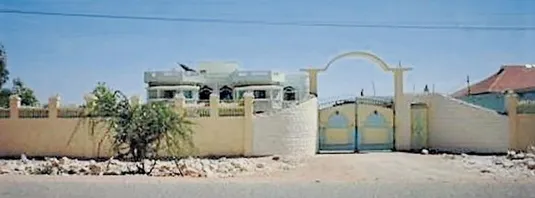
Somalia: wife divorced after husband finds Bible
Morning Star News
Date posted: 1 Oct 2019
A woman was divorced by her Muslim hus-band after he discovered she owned a Bible, it was reported in August.
The husband of the 32-year-old mother of two children discovered that his wife was a Christian and owned a Bible. He demanded that she reveal who had given it to her.
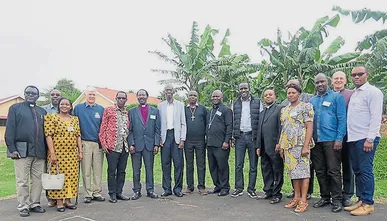
Uganda: moral leadership in church and society

Chris Sugden
Date posted: 1 Sep 2019
Theologians from Democratic Republic of Congo, Kenya, Rwanda, Tanzania, and Uganda gathered as the Evangelical Fellowship in the Anglican Communion Theological Resource Network.
They met in Kampala, Uganda from 10-13 June to consider developing moral leadership in church and society. They also studied Paul’s emphasis on nurturing character in young leaders based on the biblical gospel of Jesus.
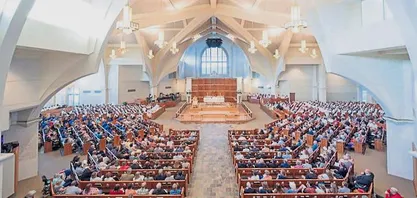
ACNA: a call to faithfulness
Charles Raven
Date posted: 1 Aug 2019
The Anglican Church in North America (ACNA) returned to Plano, Texas, 17-19 June to celebrate the tenth anniversary of its formation under the leadership of Archbishop Bob Duncan.
The Assembly theme was ‘Discipleship: Renewing Our Call to the Great Commission’ with cross-cultural mission and church planting very much to the fore. Over 1,100 attended, including ten Anglican Primates, Archbishop Benjamin Kwashi of Jos, Nigeria and General Secretary of GAFCON, and representatives from some 23 countries.
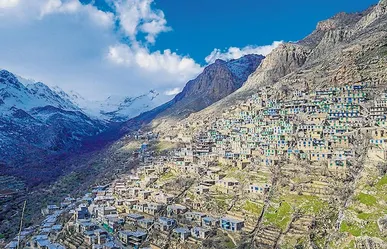
From darkness to light: the rise of the Iranian church
Afshin Ziafat
Date posted: 1 Aug 2019
Robert Bruce, a Scottish missionary to Iranian Muslims in the late-19th century, wrote home to his supporters: ‘I am not reaping the harvest; I scarcely claim to be sowing the seed; I am hardly ploughing the soil; but I am gathering out the stones. That, too, is missionary work; let it be supported by loving sympathy and fervent prayer.’
For many years, Iran was one of the most difficult regions of the world to reach with the gospel. In 1979, with the Islamic Revolution in Iran, the ruling monarch Shah Mohammed Reza Pahlavi was overthrown. In his place an Islamic Republic was birthed, led by the Ayatollah Khomeini. Sharia law became the law of the land, and Muslim clerics became the heads of state.
news in brief
Algeria: ‘God is sovereign’
Authorities closed another church building and its Bible school on 22 May.
Citing a law that requires authorisation for non-Muslim places of worship, gen-darmes locked the doors of the evangelical church building in Boudjima. Pastor Youcef Ourahmane said that the permit has been applied for, but the government commit-tee that approves them has never met. Ourahmane said they are praying for the authorities whilst recognising that ‘God is sovereign and is in control of this situation and all circumstances’.
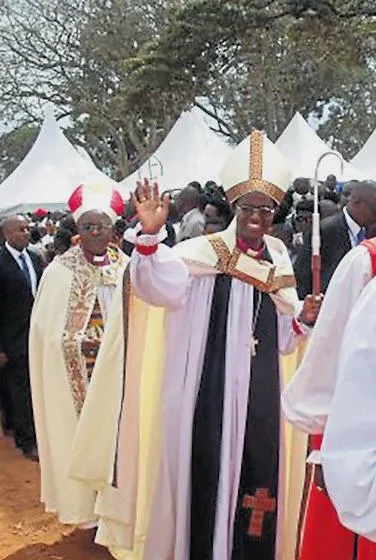
Burundi: the advancing role of the Anglican Church
Bishop Seth Ndayirukiye
Date posted: 1 Jul 2019
Burundi is a country of 12 million people
to the south of Uganda and Rwanda. The
Anglican Church of Burundi was started
in 1935 by the Church Missionary Society
and Ugandan and Rwandan missionaries.
It is known for standing on three pillars :
evangelism, medical services and education.
The Church, now numbering about 1million
members, has been able to grow and make
an impact from its foundation up to today
because of the influence and fruits of the East
African Revival Movement. This movement
emphasises the love of God and love of one
another, salvation, walking in the light with
one another, and staying
in fellowship as
brethren.

South America: Explorers
Christianity Explored
Date posted: 1 May 2019
Following
consistent
efforts
to
reach
Spanish-speaking
Latin
America,
Christianity Explored (CE) announced in
April that 1,250 people have been trained
in mission using the course.
That figure represents an average of 100
evangelists
in nine countries: Colombia,
Mexico, Ecuador, Peru, Paraguay, Argentina,
Bolivia, Uruguay, and Chile.
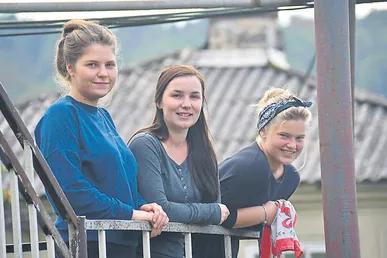
Abkhazia: beacon of light
OM
Date posted: 1 Jun 2019
War-torn Abkhazia, a partially recognised republic of Georgia, has seen a number of children coming to Christ in recent months.
Many in the area are involved with crime and suicide attempts are frequent. Children also live under the spiritual oppression of the pagan traditions. In such conditions, the teenage club at the church is a beacon of light for teenagers in the town. It is a place for children to develop, learn new things, and spend quality time together.
EFAC: successful re-launch completed
The Revd Richard Crocker
Date posted: 1 Feb 2019
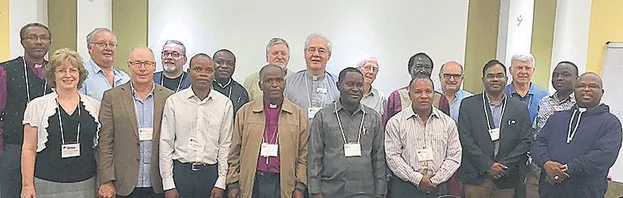
The Evangelical Fellowship in the Anglican Communion (EFAC) held the second part of its 2018 international Council meeting in Nairobi in October.
The successful establishment of the Council heralds EFAC’s reemergence as a powerful international Anglican ministry. EFAC’s vision is to encourage and develop biblically faithful fellowship, teaching and mission, as well as to resource church leaders throughout the Anglican world. There were 22 participants, including those from existing, reviving (four) or developing EFAC national Chapters. Five continents were represented and 11 participants were bishops.
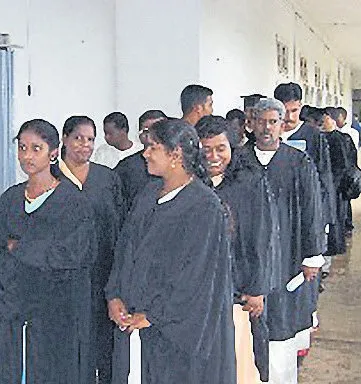
Sri Lanka: new term
Dr Paul Hoole
Date posted: 1 Apr 2019
On 11 February, Baldaeus Theological
College (BTC) opened
its new semester
with a simple worship service and a few
local pastors.
The message given at the service addressed
the importance of producing Bible-learned
servants of God whose lives reflect the holiness and goodness of God in character and
conduct.
Germany: teen outreach Europe
OM Internationale
Date posted: 1 Jan 2019
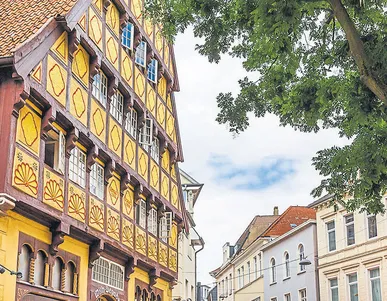
3,200 teenagers and adults from all over Europe (and beyond) came together to TeenStreet (TS) 2018 in Oldenburg for a week full of worship, Jesus, passion, life and fun.
As different as all the countries, cultures, backgrounds and churches might be, one thing connects everyone at TS: they know Jesus and want to grow closer in their relationship with him.
news in brief
Algeria: tent ban
Christians in Algeria were forced out of a tent they were worshipping in by police on 28 January after their church building was sealed by authorities.
The tent, set up in the grounds of Azaghar Church, enabled the 300-strong congregation to continue worshipping following the forced closure of their church building for spurious ‘health and safety’ reasons. The church lost the use of its building in October 2018, despite the congregation responding to requests to install fire exits and fire extinguishers.
Towards understanding South Africa
Chris Sugden and Gavin Mitchell
Date posted: 1 Dec 2018
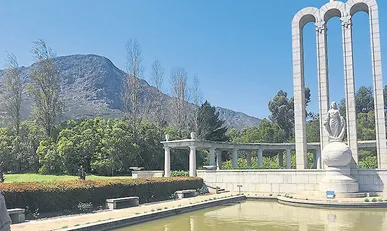
Cape Town South Africa is a bewildering mix of fabulously beautiful landscapes and vineyards which provide a resource for a booming tourist industry, within a few miles of vast stretches of shanty towns where people attracted by its stable economy come to seek well-being for themselves and their families.
The irony is that this ‘rainbow nation’ of many different languages, races and cultures did not start off as nation at all. Cape Town was only intended from the 16th to the 19th centuries to be a refuelling port for food and water for sailing ships of the merchant companies of Portugal, Holland, France and, finally, England en route to their trading empires in the East Indies and India.
Non-violent protest in China
Asia News
Date posted: 1 Feb 2019
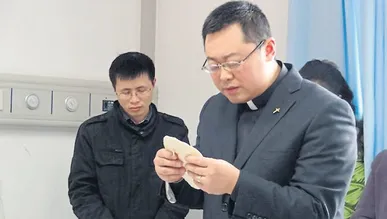
One hundred people plus Pastor Wang Yi of the Early Rain Church in Chengdu, Sichuan Province, were arrested over the weekend of 8-9 December.
Sensing that arrest was imminent, the pastor drafted a letter, asking that it be made public two days after his arrest. In it he expresses his ‘disgust’ for Communist persecution of Christians, but says he is not interested in changing the country’s social system. His goal is to bear witness through non-violence and to denounce violations of religious freedom. God will bring down the Communist regime. The church has existed for thousands of years, but no political power has lasted thousands of years.
Sharm El Sheikh church
Langham Partnership
Date posted: 1 Feb 2019
In December, the Revd Dr Andrea Zaki joined
the South Sinai Governor to lay the foundation stone for the first evangelical church in
the Red Sea city of Sharm El Sheikh, Egypt.
Dr Zaki, President of
the Protestant
Churches in Egypt, said the church will seek
a holistic mission by serving everyone equally.
news in brief
Algeria: closure
The official notice that a village pastor in Algeria received on 30 December confirmed that his church had been ordered to close.
Pastor Rabah Messaoudi had won a legal battle in 2017 after local officials in the Muslim country tried to close his church. Those acting for the pastor have said they will appeal again, as the church is affiliated to an organisation of 45 churches through which the national commission confirms their authenticity.
Zambesi Mission: enabling not patronising
Mike Beresford Mission Director – Zambesi Mission
Date posted: 1 Dec 2017
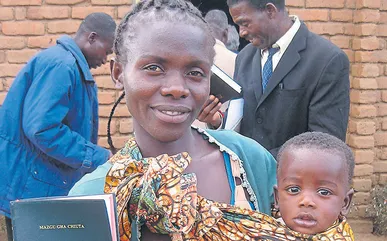
Zambesi Mission (ZM) celebrated its 125th anniversary in 2017.
It was established in 1892 as a self-supporting, self-propagating mission in Malawi (formerly Nyasaland), a place then described as ‘beyond the habitation of white men’.
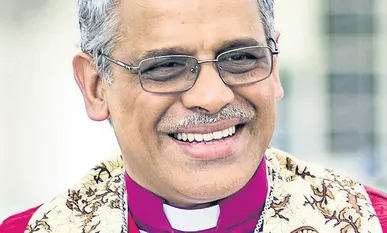
EFAC reorganises & renews its mission
Chris Sugden
Date posted: 1 Feb 2018
At a meeting of Trustees in October, the
Evangelical Fellowship
in
the Anglican
Communion (EFAC) restated its vision and
appointed new leadership.
EFAC’s purpose remains to encourage and
develop biblically
faithful
fellowship and
mission throughout the Anglican world. It
is adjusting its goals and strategies to best
serve its constituency, which has seen tremendous change since John Stott founded
the Fellowship in 1961.
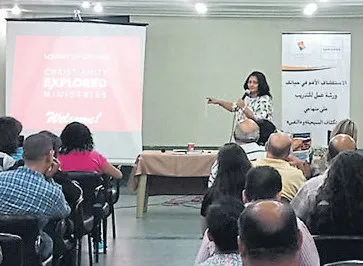
Christianity Explored’s growing global impact
Christianity Explored Ministries
Date posted: 1 Dec 2018
Many churches in the UK have been using the various evangelistic courses developed by Christianity Explored Ministries for several years. There are an increasing number of countries who now have access to them in their native languages.
Following the launch of Christianity Explored (CE) in Albania in May, the evangelistic course has had a major impact across the nation.
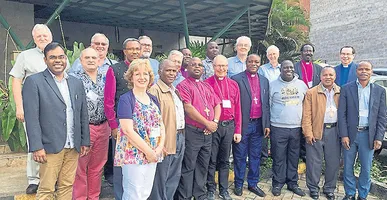
Holding on to power
Vinay Samuel and Chris Sugden
Date posted: 1 Jan 2019
The Evangelical Fellowship in the Anglican Communion (EFAC) has re-emerged after being somewhat dormant over the last decade.
That it is re-emerging with global participation and recognition among clergy and lay leaders in national groups indicates where apostolic succession truly lies – in the faith deposit entrusted to the people of God. For the news that EFAC was starting up again was met with instant brand recognition and welcome from evangelical Anglicans around the world.
news in brief
Argentina: no to abortion
On 9 August, the Argentine Senate rejected a bill which would have legalised abortion in the first 14 weeks of pregnancy.
After a marathon debate, 38 senators voted against it and 31 in favour. Its defeat means lawmakers must wait until next year to resubmit legislation. Some pro-choice campaigners started fires and lobbed missiles at police in Buenos Aires after the vote. Demonstrators on both sides of the debate had rallied outside parliament as voting took place.

Iraq: believers survive and thrive
Paul Perkin
Date posted: 1 Nov 2018
‘You can say you are not a man or a woman, you can say you are not a Kurd, but you cannot say you are not a Muslim; it’s in your DNA.’
This is according to a Muslim-background believer in Jesus (MBB), who indeed told his family he was now a believer in Isa [Jesus]. He came to Christ through an atheist newspaper telling the accounts of people who had turned from Islam to Jesus (the paper held no candle for any religion but was vaguely interested in those who converted from one to another!)
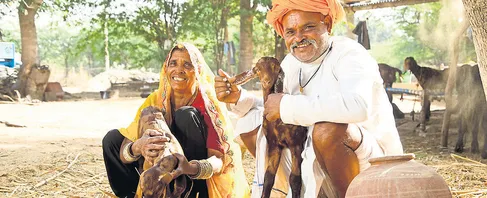
India: ‘God is on the move’
Langham Partnership
Date posted: 1 Sep 2018
For a new believer in northern India, it’s not uncommon to be baptised at midnight, not because it’s more meaningful by moonlight, but because the cover of darkness offers more safety in a region where Christians increasingly face persecution.
For a new believer, gaining ultimate freedom in Christ often means losing other freedoms, like drawing water from the community well or walking down the street without fear of being beaten. Amazingly, churches are growing where many of the 400 million people are in desperate poverty and most have never heard of Jesus.

GOD’S CALL TO CARE
Keswick Ministries
Date posted: 1 Aug 2018
This year’s theme, SENT is at the heart of what the Keswick Convention has long been about: mission.
Mission overseas and mission ‘right where you are’, a going out into the world sharing the good news of the gospel through word and deed. This year, visitors to the Keswick Convention will have the opportunity to take a peek into the world of mission and experience some of the many opportunities we have, as Christians, to reach out to the lost and suffering. For the first time ever, the Global Village Experience will be available at the Convention and will be hosted on the pencil factory site right next to the missions exhibition tent, Base Camp.