THE POWER OF THE PRINTED WORD: Tyndale’s New Testament 1526–2026
At the British Library, London until 29 June 2026. Free.
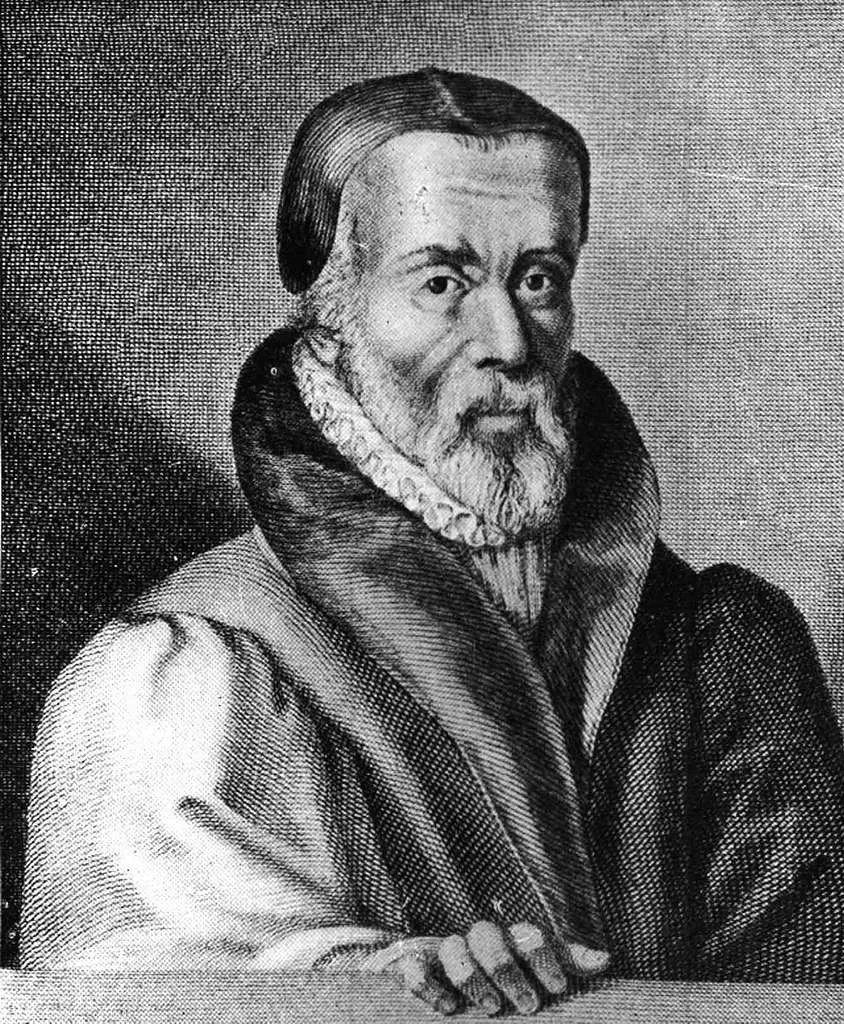
2026 is the 500th anniversary of the publication of William Tyndale’s translation of the New Testament into English, a major landmark in returning the Bible to the people of England.
This exhibition at the British Library displays one of only three remaining copies of the 3,000 printed in Antwerp – a reminder of the many that were burned.
He had already had to leave Cologne in haste, having produced only 31 pages (the Cologne fragment also on display).
Tyndale was following others: the display includes a copy of John Wycliffe’s 14th-century English Bible and Martin Luther’s German translation of the New Testament.
Tyndale’s translation went far: Anne Boleyn’s copy of the 1534 edition is present, as is a copy of the Great Bible of 1539, the first English Bible authorised by Henry VIII to be read in church, and which included much of Tyndale’s work. But it came at a cost: Foxe’s Book of Martyrs is open at the woodcut of Tyndale’s execution at Vilvoorde near Brussels in 1536. If that were not enough, the permanent exhibition includes the Codex Sinaiticus, one of the most important copies of the Greek New Testament from the fourth century, and the Complutensian Polyglot Bible of 1517, one of the first printed multilingual Bibles, with the text in Greek, Latin, Hebrew and Aramaic.
The British Library is near to Euston railway station, St Pancras railway station and King's Cross railway station in London, and this free exhibition is well worth visiting to see the beginnings of our English Bible.