Lament is a healthy part of the Christian life. en reader Andrew Cook raised a crucial point for those of us charged with planning and leading congregational worship.
Quoting a recent episode of the radio programme Serving Today, he observed: “We need to choose hymns and songs that are honest and realistic about grief and suffering, as the Bible is honest and realistic.”
That’s right: God has given us this language in the Psalms to speak back to Him; songs that reflect the rich tapestry of Christian experience, with all its highs and lows. A significant number of them are given to us to help us express our looming doubts, unmet longings, deepest fears – and to help us resolve to trust His unfailing love.

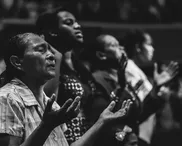
Perhaps you or someone in your church is in that place right now. Listening to songs that stir and express lament – and singing them together (or allowing your church family to sing for you when it’s too painful) – can be a great means of God’s grace that helps us experience His comfort, presence and peace.
As we plan and lead congregational worship, periodically allowing space for songs like these equips those in our care with a song to sing in the valleys of life. For some, it will be an opportunity to store away for a future day of trial; for others, it may just give them a voice and the hope they desperately need. Lament songs help contribute to a culture in our churches where honesty is encouraged; where we don’t mask our pain with shallow happiness to save face, but are shaped into a community that genuinely weeps with those who weep.
If you are searching for a place to start with this, consider How Long (Psalm 13) by Phil Moore and Tim Chester, Lord From Sorrows Deep I Call by Matt Papa and Matt Boswell, or – for something more personal and devotional – Darkness by Matt Searles.
We can shepherd our people through song with lament songs that feed them, protect them, and restore their hope in Jesus.