Why is ‘therapy-speak’ spreading?

Milla Ling-Davies  |  Features  |  culture watch
Date posted:  1 Jul 2024
Share Add       
Why is ‘therapy-speak’ spreading?

image: iStock

‘That’s toxic’. ‘Please respect my boundaries’. ‘You’re emotionally immature’.

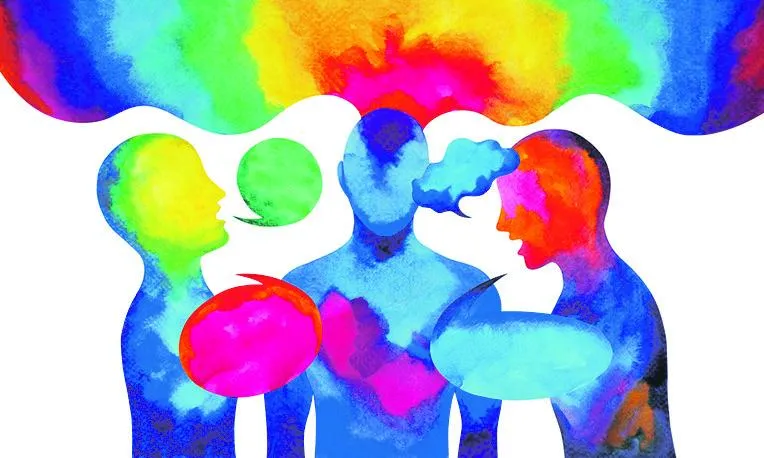
It used to be that terms like this were heard primarily in counselling rooms. But, in recent years, they have been flooding out into the online world.

Younger generations who are increasingly struggling with their mental health (see Glynn Harrison’s article in en June 2024) are using this language rampantly across social media. The hashtag #triggered has 6.5 million posts on Instagram, while #trauma has 5.8 million. The hashtag #narcissist has 2.1 billion results on TikTok.

As this language has become widespread, it’s been termed ‘therapy speak’.

And in recent months, this ‘therapy speak’ has begun cropping up in areas of ‘real life’, too. In her new album The Tortured Poets Department, pop artist Taylor Swift uses words like ‘dopamine’, ‘depressed’ and ‘self-sabotage’. Similar phrases are peppered throughout reality TV shows like Love Island, and the Shadow Chancellor Rachel Reeves even made headlines in May for saying that the Conservative Party have ‘gaslit’ the population about the state of the economy (making them believe something they weren’t experiencing).

As the generations responsible for the growth of ‘therapy speak’ begin to enter the working world, perhaps it’s natural that we’ll start to come across it more often, and in all kinds of spheres.

Is this a good thing?

On the one hand, it seems so. By having a shared and widely understood set of terms, we have unlocked a way to engage with one another’s emotional experiences more deeply – those struggling can arguably now be better heard, understood and helped (instead of dismissed or their issues minimised).

This may be particularly beneficial for churches, in light of the sad stories of abuse that have been uncovered in recent years. Words like ‘trauma’, ‘validate’ and ‘power dynamics’ becoming more widely understood could enable us to better safeguard, and avoid cover-ups. As Kevin DeYoung said in an article for The Gospel Coalition, victims often ‘need people in positions of influence to speak for them’ – so surely exposing these influential people to this language and concepts can only be a good thing?

But some argue that popularising ‘therapy speak’ leads to powerful words being used in a cavalier way – which runs the risk of actually making it harder for those truly suffering. Kevin DeYoung refers to this as the ‘danger of verbal inflation’: ‘The language of violence and trauma are now used for everyday interactions. When hurt feelings, gruff personalities, ill-conceived jokes … get labelled as “abuse” we not only run the risk of slandering the accused, we also make it more difficult for the genuinely abused to get the attention they need.’

Whether beneficial or harmful, the widespread use of this language tells us something about the younger generations that is key to grasp as we hold out the gospel to them: they are crying out to be understood.

In an article for The Guardian, therapist Eleanor Morgan asks: ‘Could the expansion of this language speak to a collective hunger for a framework that helps us talk about our existence in modern society?’

I think she’s right. The prolific spread of ‘therapy speak’ shows that we’ve lacked a way to talk meaningfully about our modern mental health struggles. And when these words came along, we seized on them quickly – because we need our suffering to be understood.

How powerful, then, that Jesus understands. He understands our suffering not because we explain it to Him, using every medical or counselling term under the sun. He understands it in the way you only can if you’ve gone through it yourself – because He did.

He cried. He stayed up deep into the night with His worries. He felt the wrench of loss. He was a ‘man of sorrows, acquainted with grief’ (Isa.53:3). He was the grieving friend, the betrayed leader, the wrongly accused; and He understands better than anyone else could.

For generations suffering so much with their mental health that they’re even impacting the formation of the English language – this gospel message would be a transformative thing to hear.

Share
< Previous article| Features| Next article >
Read more articles by Milla Ling-Davies >>
UK & Ireland
Belfast school students see God move

Belfast school students see God move

A high school in Belfast has seen a wave of students start exploring Christianity and come to faith – their …

World
Iran: Christians on hunger strike

Iran: Christians on hunger strike

Three Christians in the notorious Evin Prison in Tehran, Iran have staged hunger strikes in recent months to protest against …

Need to advertise?

We can help you reach Christians across the country

Find out more

New here?

Register and get three free articles each month!

Register