
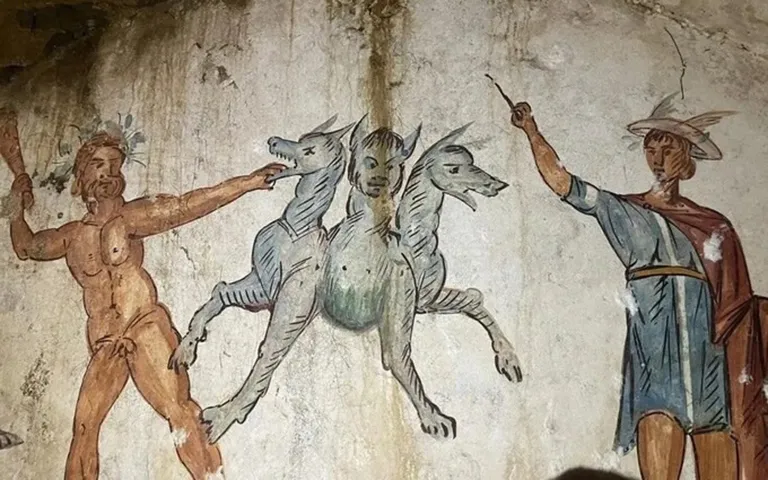
As regular readers of this column will know, I have always had an interest in archaeology.
I don’t just mean watching YouTube videos or Indiana Jones, I mean getting wet and cold in muddy excavations in England. Or hot and sweaty in Israeli ones. Regardless of any connections to the Bible I love the thrill of excavating broken pots and corroded coins buried beneath the earth. I don’t know why anyone would not.
This summer I was involved in an excavation in the depths of the beautiful New Forest where we found a 2,000-year-old Celtic roundhouse and evidence of a Romano-British settlement. The most exciting find? Not coins, jewellery or weapons but a piece of broken pot. What made this shard spine-tingling is that it was inscribed with a name: Banvus of Lezoux. This c.120–200AD pot had made its way from the workshop of Banvus, in the Auvergne in France, to a little hamlet in Hampshire. Don’t you want to know, who was Banvus and how did his pot wind up here?







The Jewishness of the Gospels proves they're true
When speaking to Jewish and Gentile friends you might have heard the accusation that the Gospel accounts were written centuries …