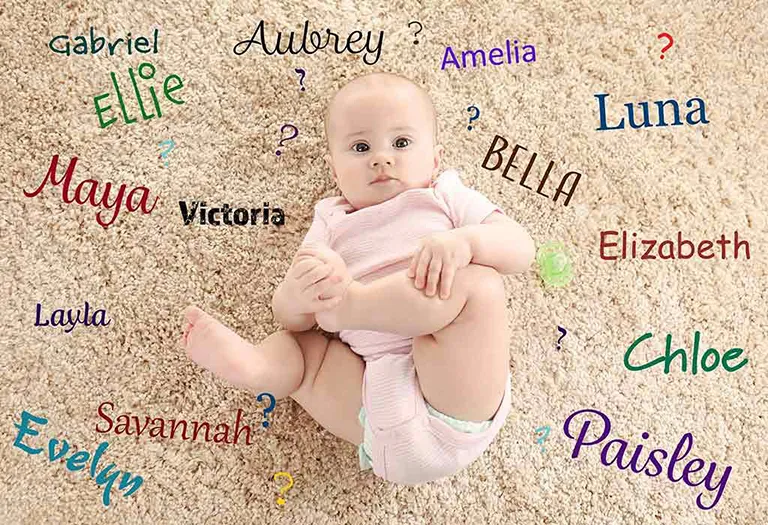
As you probably know, my name is Christopher. That was the most popular boy’s name given to babies in 1972. And I was born just a couple of years before.
We all know, over the decades, that names come and go in and out of fashion. In 1939 Margaret was the most popular girl’s name. In 2015 it was Amelia, and Margaret was nowhere to be seen. Very few names remain popular for a long period of time (only William has been in the top ten for boy’s names over an entire century). The patterns of naming reflect local fashion, politics or interests and change over time.
Patterns in the record
These patterns of personal names can provide us with indicators of when a historical event happened or was recorded. This has always been true and gives us an interesting way of demonstrating the authenticity of the New Testament.
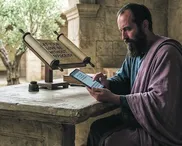
In his highly regarded work, Jesus and the Eyewitnesses, Richard Bauckham compares the personal names in the Gospels with what we know from First Century Judea and Palestine. From documents, ossuaries and inscriptions, over 3,000 personal Jewish names are known from this region. During the first century the top five Jewish male names in the region were Simon, Joseph, Lazarus, Judas, and John. These are also common personal names in the New Testament and appear in a similar order of frequency. We could offer the same evidence for the names of women (Mary and Salome being most common) which also provide a correlation between the New Testament and what we know from external sources.
Authentic evidence
Elsewhere in the Roman Empire Jewish naming habits were quite different. For example, in Egypt, Lazarus was the most popular name and different names make the top ten than those of Palestine. The correlation of the New Testament use of personal names with the time of Jesus is striking. Richard Bauckham concludes: These features of the New Testament data would be difficult to explain as the result of random invention of names within Palestinian Jewish Christianity and impossible to explain as the result of such invention outside Jewish Palestine. All the evidence indicates the general authenticity of the personal names in the Gospels.’ Without the use of a Google search it is highly unlikely that a deliberately fabricated story written at a later time would have got such a pattern of naming correct.
Peter J. Williams, Principal at Tyndale House, has added to this discussion in a very accessible work, Can We Trust the Gospels? He draws attention to the way the Gospel writers use an additional description to identify someone with a very common name – such as Simon ‘the Leper’, Simon ‘the Zealot’ or Simon ‘called Peter’ – a practice unnecessary for a name that was not common at that time. Consistently, throughout the New Testament, we find these additional descriptions only being used to help identify someone with a name common at the time (note the many Marys). Peter Leithart comments on Williams’ work, ‘If the Gospels are fictional, they are works of genius – of four geniuses, who all, somewhat independently, reflect the distribution of names that one would expect to find in Palestine.’
Little details like these are unlikely to be noticed by a modern reader but provide good evidence that the New Testament, and the Gospels in particular, rely on authentic eyewitness material from Judea and Galilee at the time of Jesus. It is not comparable to later legend or mystical works like the Gnostic Gospels. What’s in a name? It turns out there is an awful lot of information in a name.
The Jewishness of the Gospels proves they're true
When speaking to Jewish and Gentile friends you might have heard the accusation that the Gospel accounts were written centuries …