Censoring Dr Seuss?

Chris Sinkinson  |  Features  |  defending our faith
Date posted:  1 Aug 2022
Share Add       
Censoring Dr Seuss?

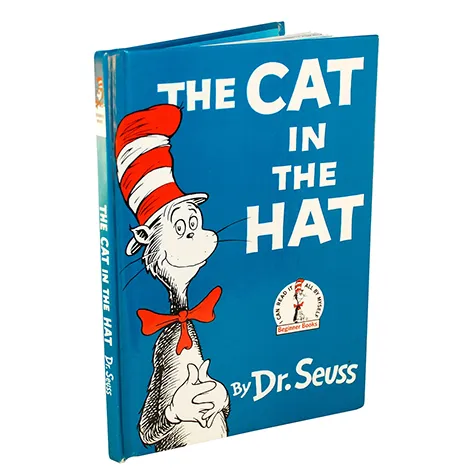
Last year Chicago public library withdrew six of the Dr Seuss children’s books.

This followed the decision of their publisher to drop the titles over what was considered racist imagery. One of those books, If I Ran the Zoo, tells the story of Gerald McGrew who visits ever more exotic locations to collect a fabulous collection of animals. Some of the lands he visited are illustrated using what may be considered racial stereotypes. Are they really racist? Many would now consider them, at best, crude and insensitive.

Books are not necessarily banned, but they may be dropped by publishers or removed from schools for similar reasons. W.E. Johns’ Biggles tales of a flying ace have come under a cloud of suspicion from time to time, and for a period even the BBC banned Enid Blyton’s works for 30 years. One UK university made news earlier this year for placing a content warning on young adult fiction including Harry Potter and the Philosopher’s Stone. Prospective readers were warned that the books might lead to ‘difficult conversations about gender, race, sexuality, class and identity’.
An immediate irony of this trend is that some books which help us confront moral issues end up being proscribed for those very issues. Harper Lee’s To Kill a Mockingbird has been removed from some schools for its use of racist language, despite being one of the best critiques of racism.

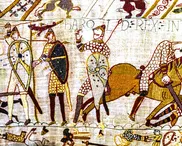
Of course, banning (or burning) books is nothing new. During the Nazi era, books associated with Jews and liberals were thrown onto public bonfires.

Christians have also sought to ban or burn books. In the early church, texts considered heretical, such as the Gnostic Gospels, were banned and destroyed. In Ephesus, magical scrolls were publicly burned by those who came to faith (Acts 19:19). In contemporary culture, we realise that books promoting material that is degrading to women, distorting sex, or promoting violence, should not be available. Free speech is not the freedom to say anything, anywhere.

The Bible itself is frequently the subject of censorship or worse. It is sometimes claimed that the Bible is banned in 52 countries. This overstates the case, but the Bible is certainly the most censored or contested book in the world. It is illegal to own in North Korea, and highly restricted in China.

For the sake of Christian witness and apologetics, suppressing books and ideas will be an increasing problem. We need the ability to think out loud and consider other ideas. Therefore, sometimes we must speak out even for those with whom we disagree when their voices are being drowned out. A cultural move to ensure only texts that meet a narrow criterion of acceptability is one in which witness will become ever harder, and our messages ever more bland.

Share
< Previous article| Features| Next article >
Read more articles on:   apologetics
Read more articles by Chris Sinkinson >>
Features
The New Testament’s P45

The New Testament’s P45

Have you ever held a P45 in your hand? Most likely you have, and it is the document you were …

Features
Migration – lessons ancient and modern

Migration – lessons ancient and modern

I’m writing this from the island of Crete where I am filming with the Christian Television Association. It’s a land …

Need to advertise?

We can help you reach Christians across the country

Find out more

Subscribe

Enjoy our monthly paper and full online access for just £40/year

Find out more