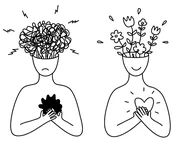
There’s something beautiful about being known by people who care. Most of us yearn for the privilege of sharing our life with an individual or group.
It’s wonderful to be open, safe in the knowledge that we don’t have to hide our struggles or quirks. It’s so comforting to have people who can spot when we are having a bad day – such a delight to have people who know how to make us smile. Whether that’s a spouse, a sibling, a friend – or all three – being known matters.
Being known by the King
Of course, being known is part of what it means to be a Christian. To be a follower of God is to be known by the King of the Universe, both in the Psalm 139 sense (God sees all) and the Ephesians 1 sense (He’s specifically chosen us before the beginning of time). It also means being part of a community where we are known – where we share lives (1 Thess. 2:8), because we are a body united in Christ (Eph. 4:5-6) in such intimate ways that we weep when others weep and rejoice when they rejoice (Rom.12:15).
Secret sins
But what about our sin? Is it a joy for that to be known too?
Our knee-jerk reaction is probably ‘No’. After all, since Genesis 3, the human tendency has been to hide and blame others rather than own personal guilt. We don’t want people to see our rebellion – I demonstrated that myself just this afternoon – we fear the shame, the consequences, the loss of respect, power and trust. After all, as people of the light, we are commanded to avoid darkness (Eph. 5:8-20) – why would we let people see how dark our lives have become? So, we downplay or distract or deny. And put on a mask that we hope might convince others our godliness is going okay.
God sees through the mask to the ugliness beneath. As Hebrews 4:13 reminds: ‘Nothing in all creation is hidden from God’s sight. Everything is laid bare before the eyes of him to whom we must give account.’ Psalm 90:8 too: ‘You have set our iniquities before you, our secret sins in the light of your presence.’ And the Bible is clear that there are consequences to trying to bury what’s true: ‘If you hide your sins, you will not succeed. If you confess and reject them you will receive mercy’ (Prov. 28:13).
Plus, the people around us are rarely taken in. Just as we are able to spot the hypocrisy of others (masks rarely fit snugly enough to keep the façade in place) people see our hypocrisy too. Our masks let the truth slip out. People know we are not all we pretend to be. And yet, all too often, we try to glue the mask back on and, like a toddler smeared in chocolate, confidently say we ‘definitely did not eat the cake’!
Help and hope
How important, then, in our image-obsessed culture to grasp once more the importance of John’s words. He reminds us it is nothing short of self-deceit to pretend we have not sinned when have; he confronts us with the stark reality that we cannot truly be church if we are pretending to walk in the light but in reality walk in darkness. The only antidote is to turn to the Lord and rely on His atoning sacrifice for the hope we need (1 John 1:5-2:2). And, if we are in any doubt, James teaches us there is a plural here – confession is designed to be to God but in the sight of others (James 5:16). In doing so we reap great benefits from God above and our family around.
Allowing our sin to be known – so we can seek God’s forgiveness, the prayers of others and the help we need to change – is every bit as beautiful as sharing our suffering or sense of fun. As we confess, we will know the joy of restoration with the Lord and those around. That is exquisite! So maybe, as the new academic year gets underway, our prayer for each other can be for an increasing willingness to say: ‘Sorry – I got it wrong’.