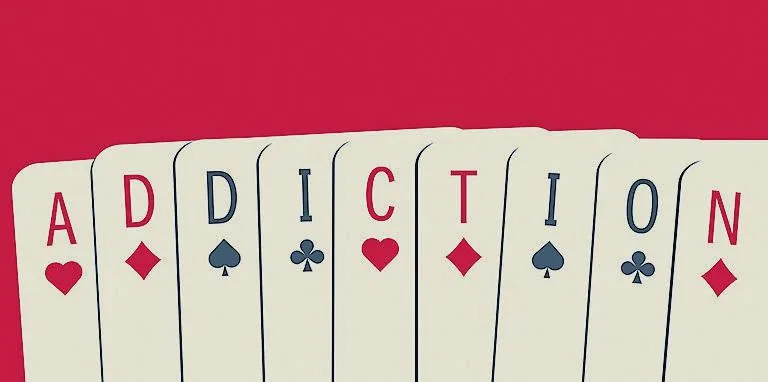
One of the great issues of our time is gambling-related harms. Whilst there is no direct biblical command not to gamble, it is far from silent on the topic. In fact, gambling can often lead to or exacerbate traits we are clearly instructed and warned to steer away from, such as greed, the love of money, and selfishness.
For nearly 2 million people across the UK, it is a real problem. That’s how many are at risk of becoming ‘problem gamblers’. There are also 395,000 adults who are already addicted across the UK. With the explosive growth of online gambling, these numbers seem only set to increase.
Public health risk
It was only a few years ago that gambling addiction became a recognised public health risk. More recent times have brought a growing awareness of the damage gambling addiction is doing. The spotlight has routinely been shone on the gambling industry, but the simple reality is that the betting industry is too large and prosperous to care much about the interests of vulnerable customers.

Look at the number of Premier League teams sponsored by a gambling firm. Or the staggering number of betting ads shown at the time of the last football World Cup. There are heartbreaking stories in the press of people whose lives have been ruined by betting and the harms it can cause. The coronavirus lockdown has only made these problems worse. The combination of furloughing, job losses and being stuck indoors has created a perfect storm for those with gambling addictions.
From your local high street, to the privacy of your neighbour’s homes, gambling takes place in plain sight, yet it’s also hidden away. People can lose vast sums of money very, very quickly. The financial cost is enormous, but the personal cost is even greater. Gambling addiction can lead to family breakdown (which itself costs the taxpayer £50billion plus a year!), relationship breakdown, job loss, damage to mental health and, in the worse cases, it can even lead to suicide.
And it’s not just adults who end up addicted. Children too are addicted. Estimates suggest 55,000 11–16-year-olds are classified as ‘problem gamblers’.
Growing public awareness is one thing. But it needs to be accompanied by both education and also substantive law change. Generally speaking, current gambling laws promote ‘self-regulation’ with the onus on betting firms to behave responsibly. But they have uniformly failed to measure up to this responsibility. They continue to put profits ahead of people.
Being salt and light
It is abundantly clear that the era of self-regulation has well and truly failed. Our gambling laws are completely out-of-date and change must come. As Christians, this matters to us, because God calls us to speak out on behalf of the vulnerable. It is part of being salt and light that we champion laws that prioritise the protection of people over the profiteering of betting firms.
What should be done? CARE is advocating a number of initial ideas.
Firstly, the 2005 Gambling Act needs to be amended to prohibit online gambling games from being made available to under-18s. The internet has made gambling faster and easier. We need to protect young people where we can. There should also be a new licence condition that means sites with a UK licence cannot take bets between midnight and 6am, which is a time period where problem gamblers are especially vulnerable.
Above all, there needs to be a mandatory levy on betting firms, so that they pay their fair share towards research and treatment for gambling addiction. The UK Government has promised a review of the 2005 Gambling Act. This must happen sooner rather than later, and it must lead to genuine change.
Protecting people
There are many challenges in our world today, from racism to the constant assault on the right to life and the pressure on free speech. As salt and light in our world, we must show a better way and be witnesses to God’s truths and values. On this issue of gambling-related harms, that means championing laws that protect people. And it means meeting those with gambling addictions with love, compassion, help and support.
The case of David Campanale: 'Neither liberal nor democratic'
It was Lord David Alton, a committed Catholic Peer and pro-life legend, who described what he called a "mutant liberalism" …