
What now for UK politics? Last week’s elections were really bad for Labour. The party lost its century-long dominance in Wales, and tied for second place with Reform in Scotland. In England it lost control of 37 English local councils and almost 1,500 councillors.
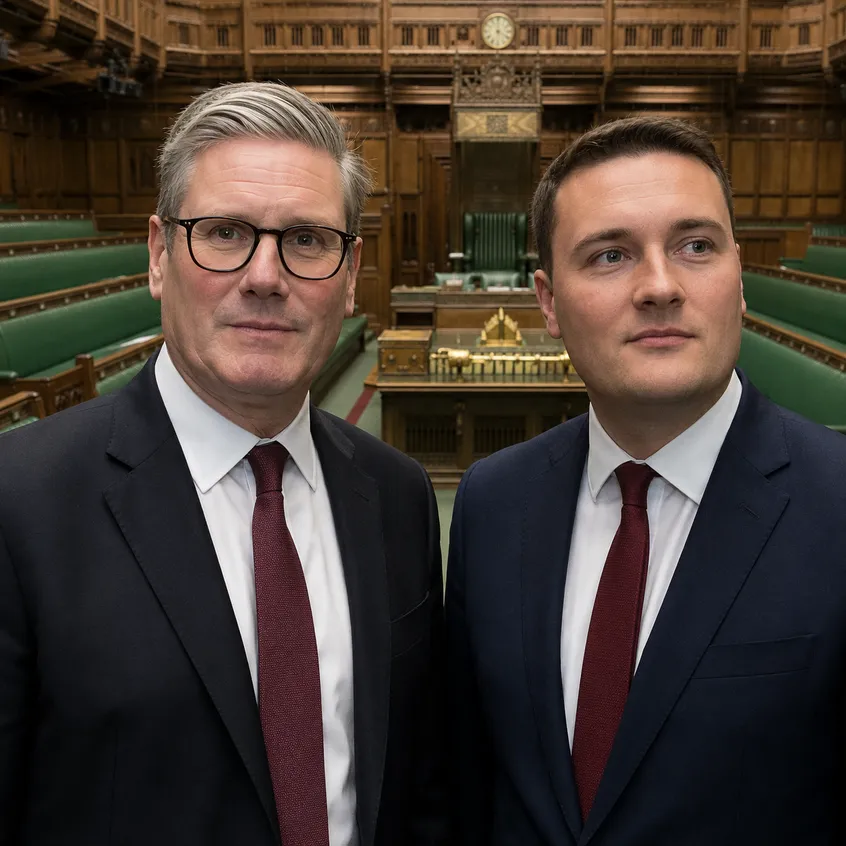
People voted on local factors but also gave their verdict on the Westminster government. Many are disappointed and angry at Labour’s performance since the 2024 general election. Many of his own MPs blame Keir Starmer personally, and the wagons circling the Prime Minister have been closing in. Wes Streeting has resigned; another Labour MP, Josh Simons, is standing down to spark a by-election in an attempt to help Andy Burnham back into the Commons; a leadership contest may well follow.
But the challenges facing any government at present are immense – and shared by administrations across the West. Labour came to power promising change, growth, reform and renewal. But just like the Conservatives before them, they have been bogged down by a combination of eye-watering financial forecasts, international shocks and self-inflicted crises.
The causes of this sense of malaise are complex, and the problems are often deep-rooted and hugely expensive to tackle. But people see the results in their lives. There seems no end to the cost of living crisis – everything keeps getting more expensive and it’s harder to make ends meet. Meanwhile, the personal failings and apparently self-serving attitudes of many in leadership compound the general feeling that everything is broken.
Politicians are inclined to respond in either of two ways.
One is to leave politically unpopular issues for a future generation to deal with. For example, the issue of social care – how a shrinking working population can support an increasing proportion of frail and elderly citizens – has been repeatedly deferred over the last two decades. No government will dare to deal with it until the urgency becomes overwhelming.
The other common political response is for certain opposition politicians to promise quick and easy solutions that they do not have to implement. Using social media to whip up anger, they exploit the increasing frustration of voters with the main parties and the sense that it might be time to take a chance on someone new and untested.
The size of the state has expanded hugely in recent years, reaching deep into many areas of our lives. This has led to high public expectations about what government can and should do. Healthcare, education, pensions and welfare, transport and waste are just some of the areas where we expect government to provide for us. We have a sense of entitlement. But big government is slow-moving and unwieldy, and as costs outstrip its ability to deliver, people feel they are being failed, and understandably demand better. The relationship between the electorate and politicians becomes antagonistic on one side and defensive on the other.
How should we respond?
So how should Christians think and pray about these challenges?
Firstly, let’s remind ourselves that only Christ provides the ultimate answer to our national and global problems. Politics cannot save us. But the Bible tells us that God institutes government to provide order and promote flourishing for its people. Above all, the purpose of government is to pursue justice and peace, speaking up for the voiceless and defending the defenceless. Psalm 72 encapsulates this: "May he judge your people in righteousness, your afflicted ones with justice."
So whilst we wait for Christ’s return to bring in a new heaven and new earth, we can be praying for leaders to display integrity, competence and wisdom in the face of difficult decisions, and courage to be clear where trade-offs must be made.
Secondly, we know that those in authority over us are put there by God (Romans 13). His authority makes theirs legitimate, and means our leaders are accountable to Him for their stewardship, whether they recognise this or not. It also requires us to respect them and, in the words of 1 Peter 2v13, to "submit yourselves for the Lord’s sake to every human authority."
This doesn’t call for blind obedience, but it means we can practise good citizenship by treating our leaders with some grace, and acknowledging the scale of the task they face. We can also seek to be a politically literate electorate that understands the impossibility of providing contradictory things such as lower taxes and better public services.
Thirdly, let’s pray for God to raise up faithful individuals to live out the powerful calling of servant leadership and follow the model of Jesus. Instead of leading a revolution against the Roman occupiers, the Creator God washed His disciples’ feet and allowed Himself to be taken to the cross. The highest became the lowest, to set us free. In doing so, He turned the concept of power upside down.
Today, in our prayers and engagement with government and those in authority, let’s seek to be an electorate that is wise and patient, but which hungers and thirsts for freedom, peace and justice, both in our nation and the world.
en is covering the current political situation with pieces from a range of evangelical commentators from different points on the political spectrum. For a right-of-centre perspective, see the article by Rhys Laverty here.





Christian, get involved!
Every week new media headlines expose the muckiness of politics and the failings of politicians. It’s no wonder that trust …