There are good reasons to mark Reformation Sunday on 26 October, or indeed Reformation Day on the 31st.
We can give thanks for the reformation of the church, and especially for the recovery of the doctrine of justification by faith alone. We are reminded that we are part of the great tradition of the church going back to our forefathers at the time of the Reformation, and indeed to the early church and the apostles.
This year, marking Reformation Day seems particularly apt. It must have been unimaginable to the forerunners of the Reformation that the truths of Scripture would make such an extraordinary impact, transforming not only the professing church but even nations.

This was not without struggles and setbacks; even through the generations after Luther there were many martyrs and much opposition. The Reformers were far from perfect, and there are elements of Reformed history of which we are not proud. Yet nevertheless, we cannot deny that when the dust settled the Lord had done extraordinary things. Something of the darkness of the medieval era, not least the corruption of the professing church, had been dispelled. A new gospel day had dawned, and a foundation had been laid for progress in the centuries which followed.
Today there is a sense of spiritual darkness in our land. The testimony of the gospel has largely been lost or obscured in the mainline denominations. Our society plunges headlong away from Biblical truth and morality, rejecting even the norms of the created order. Monday 27 October is the anniversary of the Royal Assent to the 1967 Abortion Act, and since that time the darkness seems to have grown even deeper.
It is almost unimaginable that we can find our way back from here. Indeed, behind the spiritual darkness lie forces of evil and we are reminded that we battle not against flesh and blood but against principalities and powers. There is a strange conjunction of Halloween at the same time as Reformation Day, a vivid contrast between darkness and light.
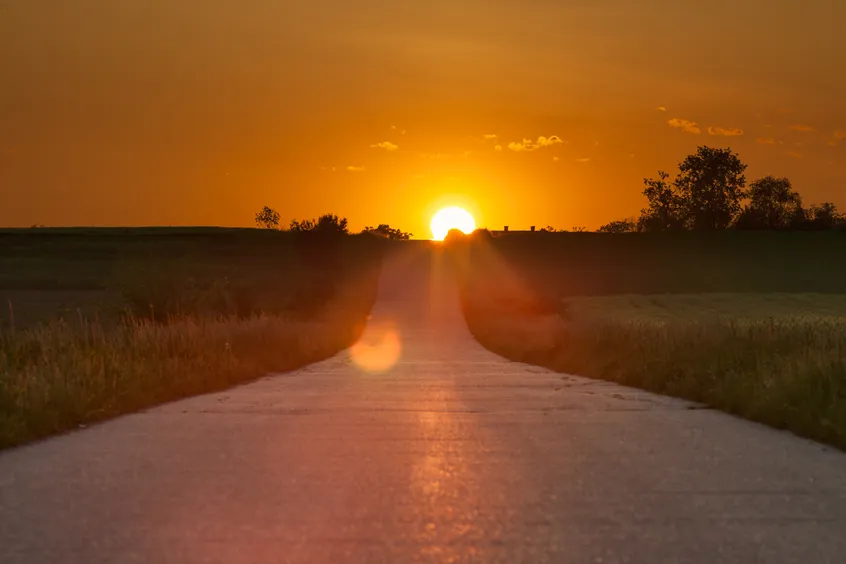
It is in this context that remembrance of the Reformation gives us hope. Could it be that, as 500 years ago, we are in the darkness before the dawn? At the time of the Reformation, Roman Catholicism was so evidently corrupt and the sale of indulgences so outrageous that a tipping point was reached. So in our day “progressivism” has pushed beyond the bounds of credulity. There are those today, particularly amongst the younger generation, who recognise the emptiness and barrenness of our present course. There are encouragements in gospel work, and church attendance. Might this be the morning star of a greater and more glorious work of God? Will the Lord reform and revive the church, bringing the moral and political renewal of our nation? We need to pray that, as at the Reformation, “Post Tenebras Lux” – After Darkness, Light!
Jesus wept
John 11v35 is not only the shortest verse of the New Testament, but also one of the most remarkable. There …