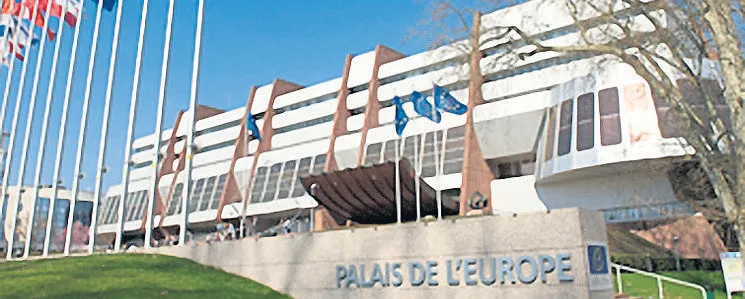
On 22 January, the Council of Europe1 called on the UK to examine the way sharia councils are operating in the UK.
Resolution 2253 2 said: ‘The Assembly is concerned about the “judicial” activities of “sharia councils” in the United Kingdom. Although they are not considered part of the British legal system, sharia councils attempt to provide a form of alternative dispute resolution, whereby members of the Muslim community, sometimes voluntarily, often under considerable social pressure, accept their religious jurisdiction mainly in marital and Islamic divorce issues, but also in matters relating to inheritance and Islamic commercial contracts. The Assembly is concerned that the rulings of the sharia councils clearly discriminate against women in divorce and inheritance cases.’
Operate within the law
The UK was asked to report back on the resolutions by June 2020. Included in the resolution, the UK is to: