Christians may be getting less support in the wake of the Venezuelan earthquakes because they are perceived as not supporting the government, reports suggest.
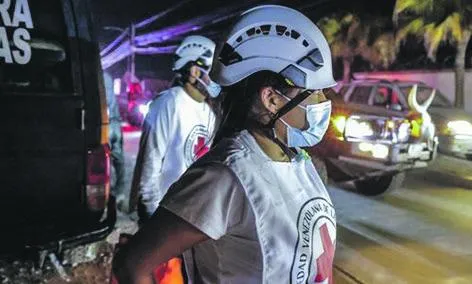
Devastating earthquakes plunged Venezuela into a humanitarian crisis, with the church being among the first to respond to ongoing need, supporting many who the authorities have been unable to reach.
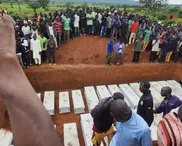
The South American nation was struck by two huge quakes within minutes, leaving thousands dead and thousands more injured or missing. The government declared a national state of emergency but has so far struggled to respond, leaving communities isolated and inadequately provided for.
Christians have been affected like everyone else, with church buildings damaged and believers grieving lost loved ones, homes and businesses. However, reports indicate that unequal access to humanitarian aid has seen Christian communities receive less support than others.
Open Doors’ Megan Titley told en: “According to local testimonies, when aid distribution depends on community structures or leadership aligned with the government, some church members and individuals perceived as opposition may face discrimination or receive less support.
“There are also ongoing reports of practices such as conditional aid, undue pressure, and possible irregularities in the management of humanitarian resources factors that increase the vulnerability of those already living in a context of persecution and restrictions.”
Titley told en that the church faces “a particularly complex situation” amidst the uncertainty, needing to both respond to the emergency and also address its own limitations, with the crisis affecting its “operational capacity” and “increasing the pressure on its spiritual and social mission”.
However, Andrew Dudgeon, of Platform 67 (which liaises with missionaries around the world), revealed to en that, amidst their “grief and trauma”, churches have worked to help people where possible, including through the provision of basic necessities and practical help.
Such measures have proved important, with their established positions in local communities enabling them to “respond quickly”, potentially even supporting some that have so far remained out of reach for the authorities.
Dudgeon said: “Our partners in Venezuela have had people serving there for many years and through many different crises. It allows for an immediate response as well as the longer process of rebuilding lives and communities.
“Our partners haven’t reported any deaths of those helping or of local church leaders. They are pretty focused on mobilising churches to meet the overwhelming needs around them. It remains a fluid situation, but we are thankful for good people already on the ground.”
LIV Golf uncertainty – good for the game?
Much sporting focus has gone into the end of the calendar’s traditional summer events and the start of the new …