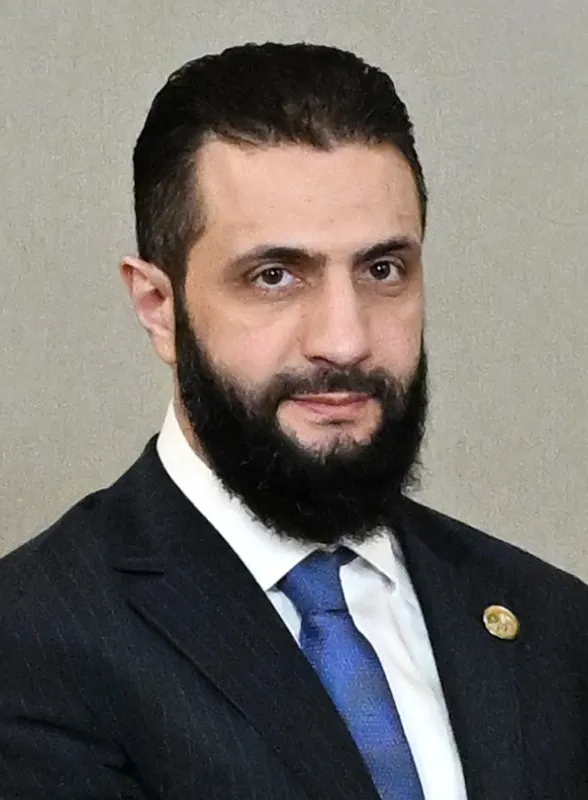
Uncertainty remains for Christians in Syria six months on from Islamist group Hayat Tahrir al-Sham’s (HTS) overthrowing of Bashar al-Assad’s government. While they are meeting together, they remain concerned about the future under President Ahmed al-Sharaa’s rule.
Martin Parsons, CEO of The Lindisfarne Centre for the Study of Christian Persecution, believes a recent meeting between US president Donald Trump and al-Sharaa carries “seismic importance” for the future, with the first meeting between US and Syrian leaders in 25 years representing a huge shift in approach.
Al-Sharaa is considered by many to be a jihadist. Parsons said: “What we are seeing from the new Syrian government, especially al-Sharaa, is what has over the last decade or so has become a strategic tactic for jihadist groups; trying to appear moderate to the west in the hope of getting financial support for reconstruction, while giving a very different message to their own supporters. Prior to seizing power HTS controlled Idlib province, where the treatment of Christians in some respects was for a time worse than Islamic State.”