Media tropes assail us constantly. New catchphrases turn up in what we read and hear that we soon find ourselves using, more or less heedlessly.
Catchphrases like “white privilege”, “rewilding”, “nonbinary”, “Islamophobic” ... We may begin a bit puzzled, but before long they are part of our everyday lexicon. We neither question their origin, nor reflect on their integrity.
The Government has finally published its long-promised Conversion Practices Bill. Ministers describe the draft legislation as "balanced and targeted" and insist that it is not intended to interfere with religious belief and expression. Yet a careful reading of the bill raises a different question: if existing laws already prohibit abuse, why is this legislation needed at all?
Is new legislation really necessary?
Before considering the detail of the bill, Parliament should ask the same question that should have been answered during the conversion therapy debates of 2021: What evidence demonstrates that new criminal offences are needed?
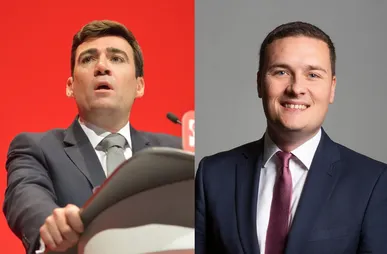
Editor's note, added 19 June 2026: Andy Burnham has won the by-election in Makerfield. Earlier this week, we published a piece by James Mildred in which he reflected on Burnham's stance on key issues and what he's said about Christianity – as well as another potential candidate for PM, Wes Streeting.
It seems clear that if Andy Burnham wins the by-election in Makerfield on 18 June, he will challenge Keir Starmer to be Prime Minister.



How media language is reshaping your mind
Media tropes assail us constantly. New catchphrases turn up in what we read and hear that we soon find ourselves using, more or less heedlessly.
Catchphrases like “white privilege”, “rewilding”, “nonbinary”, “Islamophobic” ... We may begin a bit puzzled, but before long they are part of our everyday lexicon. We neither question their origin, nor reflect on their integrity.