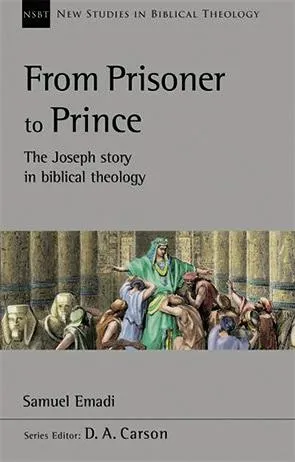
FROM PRISONER TO PRINCE:
The Joseph story in biblical theology
By Samuel Emadi
IVP Apollos. 208 pages. £16.99
ISBN 978 1 789 743 937
Joseph is given more space in Genesis than any other person, and many of us think of Joseph’s life as picturing Jesus – the favourite son, (nearly) killed by his brothers, sold for pieces of silver, resisting temptation, in prison, providing bread, saving people from many nations, and ruler whom people bow before. But to what extent is this legitimate exposition? Is Joseph a ‘type’ of Christ, especially since there are few mentions in the rest of the OT and the NT?
In this book, rather than just noting similarities, Emadi looks at the structure of Genesis, noting how ‘the account of the family line/generations of’ is used to stress continuity and theology. Joseph picks up the concept of king/ruler from Abraham, amplifies it, then passes it on to Judah. He inherits the covenant promises and fulfils them (partially, of course). His story amplifies the meaning of covenant, forgiveness, the promised land and God’s blessing.