Why I am not a monarchist

Steve Kneale
In October’s en we carried an article by Professor Gerald Bray about the institution of the monarchy. It concluded by saying: ‘Evangelicals … are fortunate indeed to be the heirs of such a strong and enduring tradition.’ We stated at the time that there is an alternative, very legitimate, evangelical republican view which we now carry in this article.
Before you release the hounds, it’s important to say from the outset I was approached and asked to write this.
UK in transition: ‘What we’re praying for the new King and PM’

Rebecca Chapman
How three Christians responded to the news of the death of Queen Elizabeth II and the appointment of Prime Minister Liz Truss.
Mike Royal, the evangelical General Secretary of Churches Together in England (see en, December 2021):
UK in transition: A resilient Crown?

Gerald Bray
The sad demise of Queen Elizabeth II inevitably invites reflections on the institution of monarchy and its prospects under her successor.
Speculation has been going on for some time, but now we have reached a turning point that cannot be ignored. Monarchy as we know it traces its origins to the Germanic tribes that invaded the Roman Empire and set up states that have endured in recognisable forms to the present day. The kings and chiefs of those tribes were often regarded as shamans, even as descendants of gods, who had special spiritual powers that bound the people together. When they became Christian, those rulers had to abandon such pretensions, but the Church filled the void thus created by claiming the right to legitimise monarchs as servants of Christ, endued by Him with the power and authority to govern their people in secular affairs.


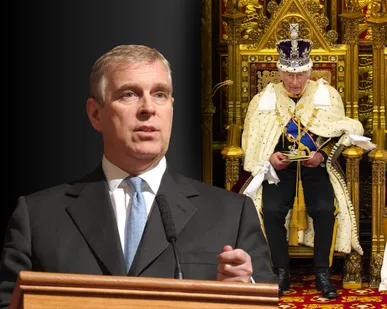









Responding to the fall of Andrew Mountbatten-Windsor
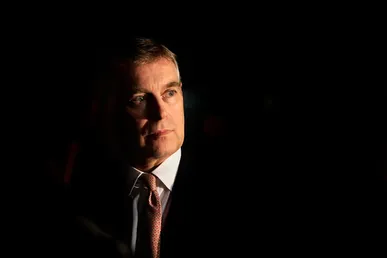
Since Charles I, no British royal has ever been arrested. Until last week.
Andrew Mountbatten-Windsor, formerly Prince Andrew, spent his 66th birthday in police custody under suspicion for misconduct in public office. He was later released, but the investigation is ongoing.