‘Islamophobia’ investigation

Nicola Laver
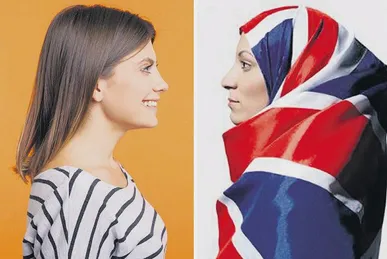
A group of Labour MPs are seeking a formal investigation by the Equality and Human Rights Commission (EHRC) into Reform UK for alleged Islamophobia.
In a letter, signed by 27 parliamentarians, including Diane Abbott and Clive Lewis, the EHRC has been asked to look into potential breaches of the Equality Act 2010 by Reform politicians.

Facing the rise of Islam

Rani Joshi
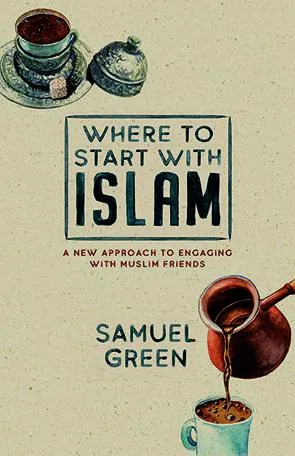
A question I’m starting to challenge more people with when they say they are concerned about “the rise of Islam” is how are you engaging with Muslims?
It’s a reminder that God has not given us a spirit of fear, but power, love, and a sound mind. Most Muslims, just like any other human being, have normal desires like education, to build a good life, have food on the table, a roof over their head and, for some, to be successful. So why do we sometimes treat others like they are alien to the human experience, even if we do have different beliefs?
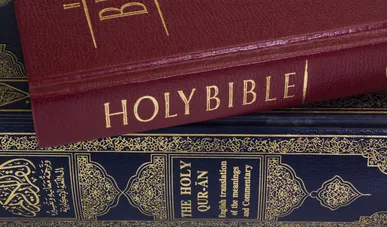
The human predicament: The Bible and the Qur’an compared

Andrew Marsay
My previous articles looked at what the Bible and the Qur’an tell us, firstly about the character of God and his ways of working in the world (en May 2025, online version here), and then their respective diagnoses of what I called the world problematique, or what is the human predicament that Christianity – and Islam – purport to address (en October 2025, online version here).
The first article showed how the Bible’s rich revelatory structure provides the context for its presentation of a God who is actively involved within the warp and woof of human history. In contrast, the Qur’an’s limited historical timeframe and absence of any intergenerational connections, allows no scope for tracing God’s involvement in history.























What we can learn from Luke Salmons' case
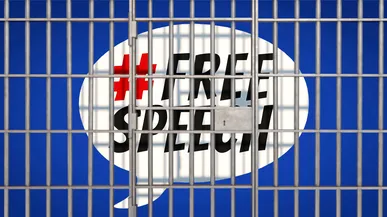
Last month, Luke Salmons, a Christian former Police Community Support Officer (PCSO), won a legal settlement from North Yorkshire Police after being forced out of his role and permanently barred from policing for asking questions about Islam during mandatory diversity training.
Supported by the Christian Legal Centre, and Christian Concern, Mr Salmons brought legal claims against the Chief Constable of North Yorkshire Police alleging that he was unlawfully discriminated against for his Christian beliefs and that his rights to freedom of religion and freedom of expression were violated.