Conversion therapy: ‘signs are not good’

Nicola Laver
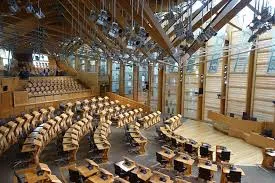
The Scottish Government is consulting on a far-reaching ‘conversion therapy’ ban on ‘any effort to change, suppress or inhibit a person’s sexual orientation or gender identity’.
The proposals include a new civil protection order that could be used ‘for preventing harm caused by individuals or institutions that conduct conversion practices on a wider scale’.
Hopes rise for dropping of conversion therapy ban
Nicola Laver
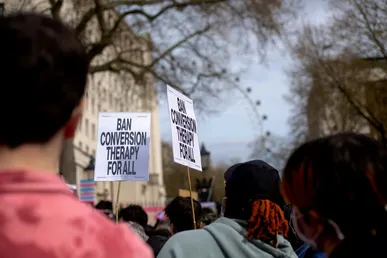
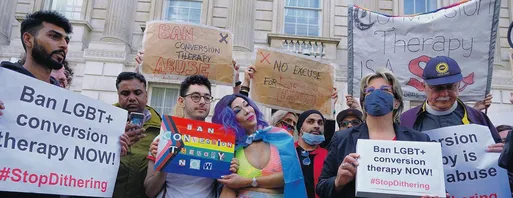
There is increasing optimism that Prime Minister Rishi Sunak will drop plans to introduce a conversion therapy ban, five years after it was proposed by former PM Theresa May. However, while some MPs and LGBT activists who have make clear they will increase pressure on the government to introduce a ban, a Christian Institute poll revealed only a tiny proportion of voters want one.
Proponents of a ban are not giving up easily. Dehenna Davison, MP for Bishop Auckland, who is bisexual, told activists at September’s Tory Party Conference Pride Reception – hosted by LGBT+ Conservatives and Stonewall - to ‘be noisy’ in making it known the ban must be ‘followed through’.
Conversion therapy ban proposals are revived
Nicola Laver
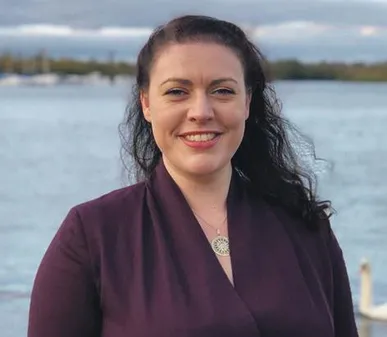
After a short-lived delay, a conversion therapy ban now looks set to be pushed through the commons. The Government confirmed its plans in the wake of a failed attempt to amend the Online Safety Bill, which had raised concerns that online evangelism could be banned.
A draft bill is expected to be published shortly, but pre-legislative scrutiny could be limited. The culture secretary Michelle Donelan said it would be completed by the end of this parliamentary term, despite acknowledging that it is a complex area. The government said a ban would also cover conversion therapy for those who are transgender.





Conversion therapy bill is 'badly drafted'
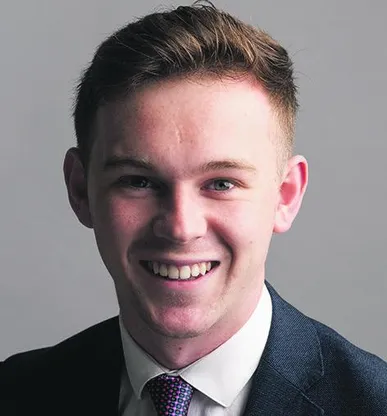
The Westminster Government first pledged to criminalise so-called "conversion therapy" in 2018 under Theresa May.
It was a knee-jerk response to activists making unverified claims of grim abuses they alleged were taking place in churches. But the Conservatives came to realise that the evidence base didn’t stack up. They also couldn’t legally define the bogeyman conjured up by activists.