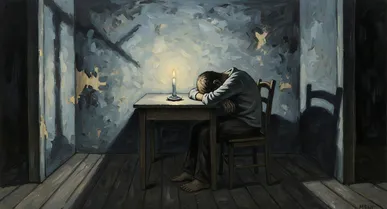
Do you feel like darkness is your 'closest friend'?
Mitch Chase
Near the end of Book Three in Psalms (which is from Pss. 73–89), things grow dark. In fact, when you enter Psalm 88, you feel like you’re in a room so dark that you can’t see your hand in front of your face.
Suffering can feel like that. Some trials feel so overwhelming, so disorienting, that the language of Psalm 88 fits them. The psalmist embodies the agonies and despair that a believer can experience in a fallen world. Don’t let anyone tell you that a real believer would never feel overwhelmed and despondent. Psalm 88 would beg to differ!
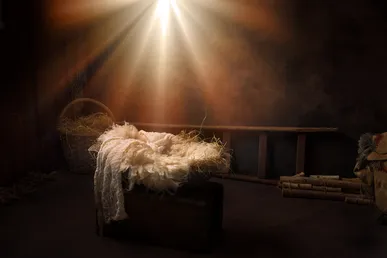
Jesus' birth: The fulfilment of ancient promises
Mitch Chase
The Gospel writers boldly associate Jesus’ birth with David’s name. And they do this in order for us to learn about Jesus’ birth as a fulfilment of ancient promises.
In 2 Samuel 7v12–13, God had promised David that a future son—the seed or offspring of David—would rule forever on the throne.
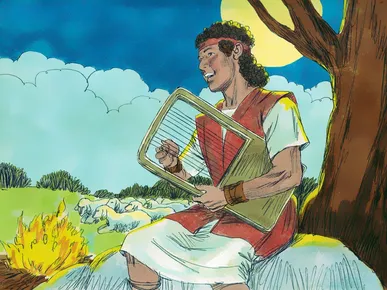
Why should we love the Psalms?
Mitch Chase
A few years ago, I remember a young man—a professing Christian for a long time, I might add—saying without any qualification to me, “I don’t really like the Psalms.” And he had no interest in seeing why that might be a problem.
Now, if you claimed that other books were more impactful for you than the Psalms, that would be one thing. Or if you noted that the poetry of the Psalms was challenging and you were trying to grow in your understanding of it, that would be another thing. Or if you said that you were new to the Bible and you didn’t really grasp what was going on in the Psalms or why they mattered, even that would be acceptable.