
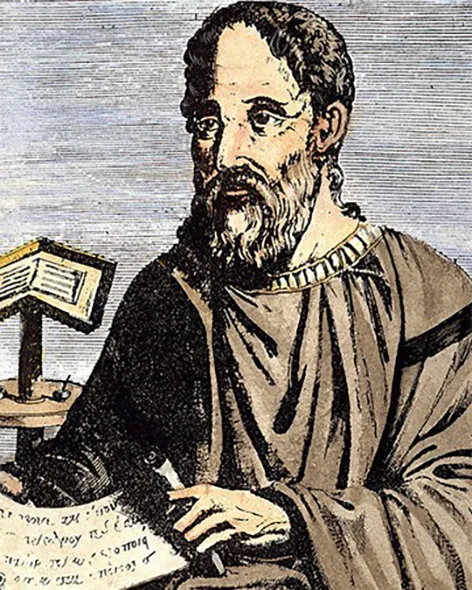
Many of us will sing these marvellous words this Christmas from the carol O Come, All Ye Faithful, that was first printed in English in 1751: “God of God, Light of Light, Lo! he abhors not the Virgin’s womb; Very God, Begotten not created.”
The first and third lines of this stanza, the second in the hymn, are clearly dependent upon the wording of the creedal statement issued by the Council of Nicaea (325). They bear witness to the ongoing significance of this turning-point in the history of the church.
In the last few articles for this column, we have seen the way that the controversy over how to think about the person of the Lord Jesus Christ, one that began in Alexandria, had so spread that it came to the attention of the Roman emperor Constantine. Fearing a major schism in the church, he had called for a synod of church leaders to convene at Nicaea in what is now north-west Turkey in mid-June of 325 to quell the theological conflict.




'An angular Messiah is our only hope'
Having devoured Jonathan Freedland’s The Escape Artist (2022) with fascination, I wasn’t going to miss reading his latest, The Traitors …