What’s in a word?

Chris Sinkinson  |  Features  |  defending our faith
Date posted:  1 Apr 2019
Share Add       
What’s in a word?

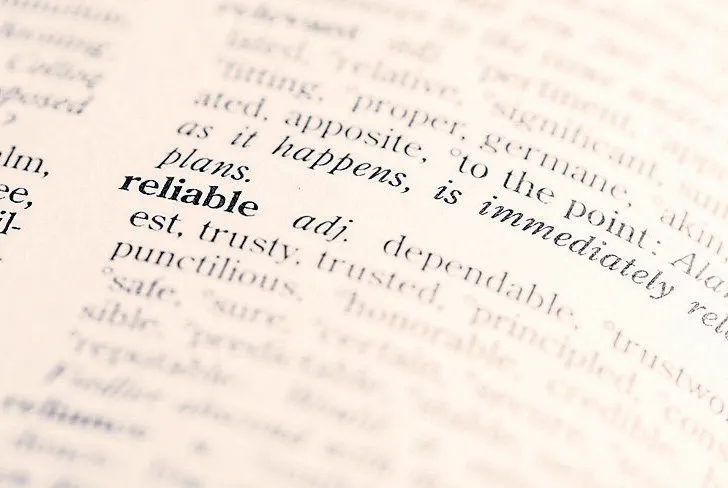
photo: iStock

Words have a history. They tell us about our past.

Or, at least, they tell us about the history of those who used the language. Clues to where they lived and what they thought are littered throughout their vocabulary. In English, a great example is the difference we make between pig, cow and deer in contrast to pork, beef and venison.

Words like pig, cow and deer are Anglo-Saxon, used by the inhabitants of England before the arrival of the Normans. The Norman invaders brought with them their new, posh French words and so porc (pork) and boeuf (beef) entered our vocabulary.

Share
< Previous article| Features| Next article >
Read more articles by Chris Sinkinson >>
Features
'The cross is not a flag to wave, but a faith to proclaim'

'The cross is not a flag to wave, but a faith to proclaim'

I once visited an Israeli primary school in Jerusalem and looked around a classroom. It was much the same as …

Comment
Comedy, free speech and warnings from the past

Comedy, free speech and warnings from the past

Hannah Arendt was a Jewish philosopher who grew up in Nazi Germany. Eventually she had to flee to France and, …

Looking for a job?

Browse all our current job adverts

Search

About en

Our vision, values and history

Read more