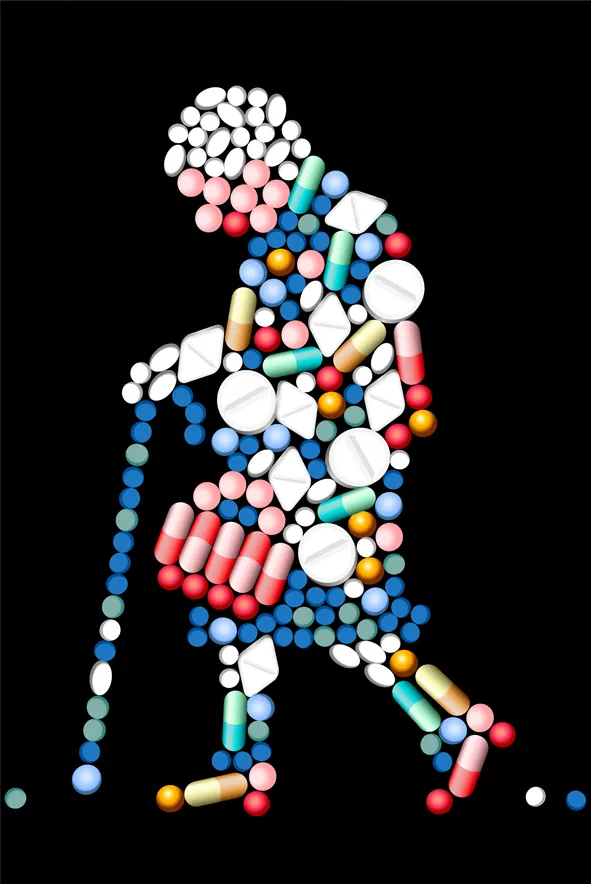
Even in the most dreaded disease there is hope.
That’s the promise of my new book, Dementia: Pathways to Hope. You just have to know where to look for it.
Sometimes it means brushing aside layers of superficial or misleading information. For example, alarmist headlines that one in three people born this year will develop dementia as adults are based on projections from 1980s studies that are known to be inaccurate. So why use them?
Commenting in a recent meta-study by the Cambridge Institute of Public Health, the Institute’s Professor Carol Brayne said that it’s not just down to shoddy research. ‘The reality is that healthcare and pharmaceutical companies are looking at large potential profits from future dementia interventions. It makes sense for them to play up the possibility of avoiding conditions associated with ageing, both now and in future.’1
Little publicity
Things that give real hope often receive little publicity. There are studies showing how brains can rewire around damaged neurones, and there is the ‘Nuns’ Study’, a years’ long study of around 700 retired Catholic teachers examining the effects of ageing. Amazingly, autopsies showed some had brains with heavy Alzheimer’s deposits but had shown no sign of dementia while alive, while others had light deposits but had lived with dementia. Interestingly, the nuns lived in a retirement community with good social lives. It’s being deprived of these social connections that is so dangerous to us, according to Oxford Professor Robin Dunbar. It’s more important than diet or exercise or what we drink, he said.2
Designed for relationship
Professor Dunbar is right, because God designed human beings to ‘work’ in relationship with one another. So much in the Scriptures point to it. Jesus said that loving our neighbour is the second most important commandment. But communications become difficult in dementia and individuals become isolated. Engagement seems less and less and is the main reason relatives and friends stay away. A daughter told how grievous it was to watch her mother’s friends give up on her.
But it’s here that Christians have a unique advantage. It’s so powerful that I’d go so far as to say that it shows how we are made in God’s image. Each believer is a carrier of the Holy Spirit (1 Corinthians 6.19-20) and he doesn’t disappear when someone has dementia. He enables a call from the deep to the deep, as Psalm 47.2 puts it. Christian writer Watchman Nee says only he can do this.3 In my dissertation research and conversations with people over the years (probably a few hundred including conferences and seminars) I’ve heard so many accounts of people with dementia, even very deep dementia, respond to the Holy Spirit released in Scripture or worship. The evidence is so strong that one of our most experienced home managers says it challenges people who say there is no God.
Life is tough, and Dementia: Pathways to Hope has been written to help and encourage every one of us so, whether or not we are touched by dementia, we can help each other along the real pathways to hope.
Louise Morse is Media & Communications Manager for the Pilgrims’ Friend Society. She is author of books on dementia (Lion Monarch), and contributes as a writer and speaker to the PFS Voice project.
0300 303 1431 louise.morse@pilgrimsfriend.org.uk