
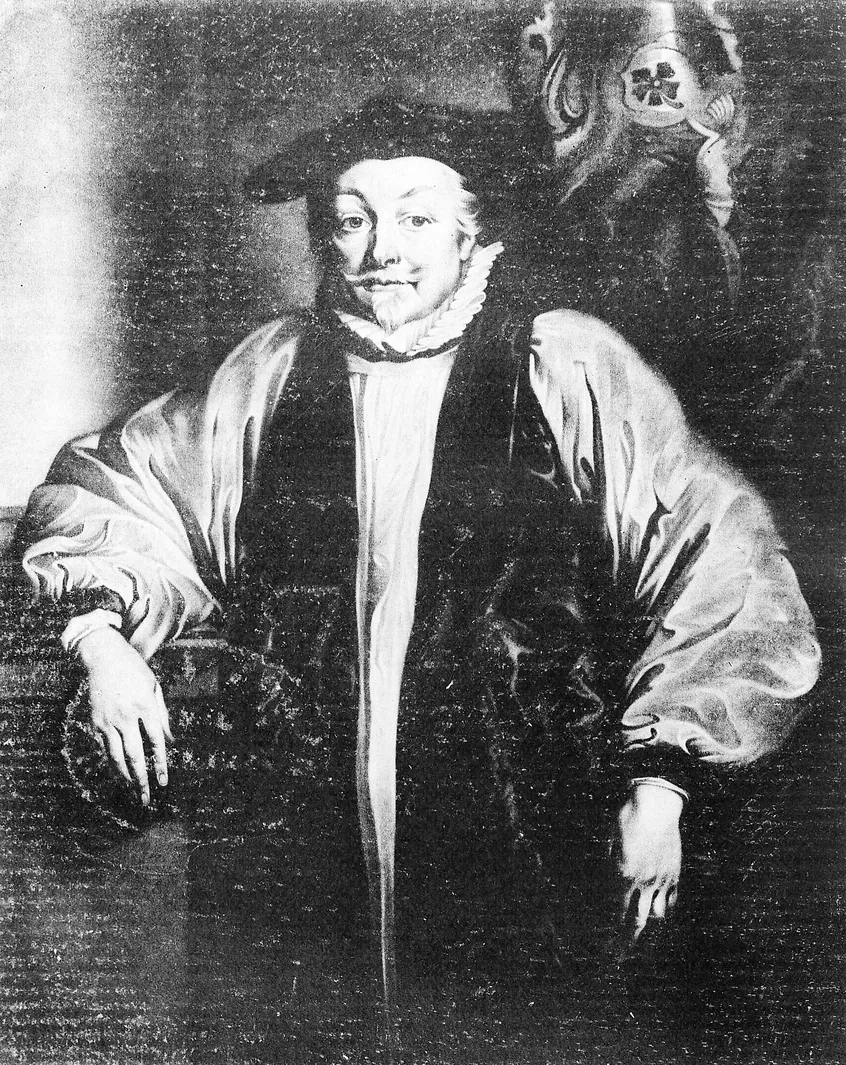
On 28 January at St Paul's Cathedral, Sarah Mullally will be confirmed, officially making her the Archbishop of Canterbury. The previous Archbishop, Justin Welby, ended his term on 6 January 2025. Both managed to avoid the auspicious day of 10 January, the date on which Archbishop William Laud was executed in 1645.
Yes. You read that right. An Archbishop of Canterbury was executed by Parliament in 1645. The church wardens of St George’s Church, Beckington in Somerset – the church in which I was baptised 50 years ago – would not have been all that sad to hear the news of Laud’s fate. England was three years into a civil war, partly caused by Laud and his reforms. Families, villages and towns had been torn apart, having been forced to choose between King and Parliament.
Setting the table
The lives of the Church Wardens of Beckington had been blighted before the war when Laud ordered all churches in England to remove the communion table from its "traditional" central position and place it at the east end of the church. This felt like a Catholic move, especially in the more puritan regions of the country, which included North Somerset. After all, “For Christ died, once for all, the righteous for the unrighteous, to bring you to God” (1 Peter 3v18). This appears to exclude the Catholic understanding of Mass as a re-sacrifice on an altar by a priest. The church wardens of St George’s in Beckington would not comply.






'An angular Messiah is our only hope'
Having devoured Jonathan Freedland’s The Escape Artist (2022) with fascination, I wasn’t going to miss reading his latest, The Traitors …