Do we need to become conversant in Judaism?

Daniel McIlhiney  |  Comment
Date posted:  6 Dec 2024
Share Add       
Do we need to become conversant in Judaism?

There are as many kinds of Jews as there are people. Some are religious and some are not, but like all other people Jews will bring assumptions to the reading of Scripture, to the concept of God and to the claims of Yeshua, Jesus.

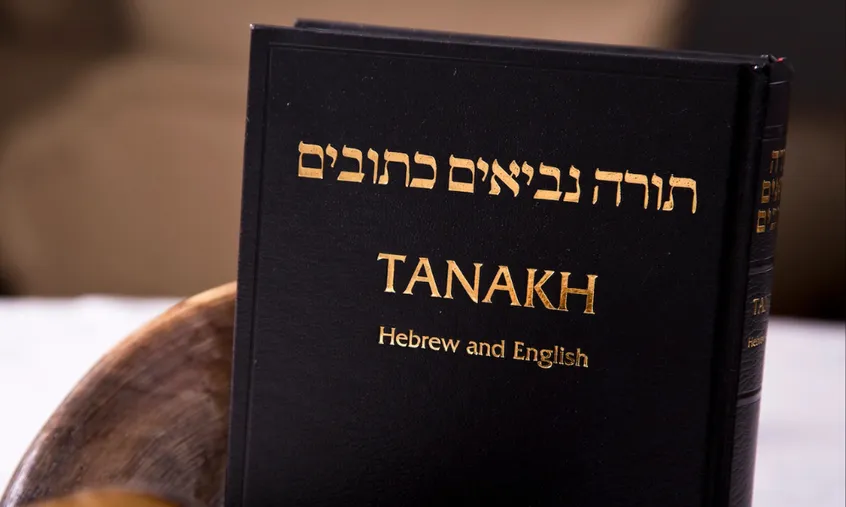
For a Jewish person, religious or not, these assumptions are likely influenced, directly or indirectly, by the Tanakh, the Jewish Hebrew Bible. These are also the assumptions that Jesus Himself, along with His followers, held.

Do you need to know Jewish scriptures?

To understand who Yeshua is, the claims He makes about Himself and the reaction of those around Him, you need to know the Hebrew Bible. To understand any of the writings of Paul, you need to know the Tanakh. To read Hebrews, you need to be familiar with Leviticus. To ‘get’ the New Covenant, you need to be fully comprehending of the Old. To share your faith with your Jewish friend, you need to understand your Jewish scriptures.

As an example of this, let’s briefly look at one of the most misunderstood titles applied to Jesus: ‘Son of Man’. (It is also the most common title Jesus uses for Himself). Most seem to think that title Son of Man is to demonstrate that Jesus was human as well as divine (Son of God). This is not the case, in fact it is the opposite! This title is rooted in Daniel 7, where ‘one like the Son of Man’ (bar gnash in Aramaic) is given a seat, alongside God in His throne room where He then receives worship from the people of earth. It is a startling and confronting scene for a Jewish reader and one to which Yeshua is harking back to when He refers to Himself in this way.

This passage was so revolutionary that it began a whole tradition of texts in which Jewish thinkers explored this concept of the Son of Man. In the Book of Enoch [Similitudes 46;48;62] for example, an ancient Jewish text, the Son of Man is described as taking His seat in the throne room, before judging the earth and overthrowing kings who don’t praise Him. Much of the language used by the author of Enoch draws upon language used to described God in the Psalms and Prophets.

One Jewish Apocalyptic text [2 Esdras 12-13] describe the Son of Man as being the judge and deliverer of the world, the creator, the Son of G-d and the Messiah. Even the Talmud itself preserves a discussion about whether it’s possible that there are ‘two powers in Heaven.’ [Hag. 13a]

The Judaism that exists today and Christianity are the two most successful offsprings of the pre-Jesus Jewish movement, and it is important that we become conversant in that Judaism when trying to speak to our cousins in the faith. The stories that Christians grow up with in Sunday school are the stories of Jewish folk heroes.

A duty to steep yourself in the Word

Many of the words and phrases that we use in common parlance are borrowed from Shakespeare or the King James Bible. Phrases like ‘fobbing off’, ‘too much of a good thing’, ‘not sleeping a wink’ and a ‘wild goose chase’ are all borrowed from Shakespeare. When we say such things, we are not intending to quote Shakespeare, but our world has been so shaped by him that we do without knowing. Likewise, people estimate a third of the New Testament is effectively just quotes from the Tanakh. Some of these are intentional, but others just demonstrate how much these 39 books shaped the world of Jesus.

We have a duty to the text to steep ourselves in the word of God that they had. It is only then that we can understand the Scripture, and only then can we begin to share our faith with one who has had their thinking moulded by these texts.

Share
< Previous article| Comment| Next article >
Read more articles on:   Jewish evangelism
Read more articles by Daniel McIlhiney >>
Comment
Do you see others as a means for your own gain?

Do you see others as a means for your own gain?

I am a horror fan – I will admit it. I know Christians have mixed views on horror, but there …

Features
Pesach Seder, embodied stories and evangelism

Pesach Seder, embodied stories and evangelism

Last week, Jews around the world sat down to what is called a Pesach Seder. It is a meal …

Give a subscription

Our monthly newspaper is the perfect gift for those who love to think deeply

Give here

About en

Our vision, values and history

Read more