There are significant unanswered questions about the use of power both during and since Lambeth, writes Rebecca Chapman.
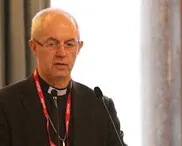
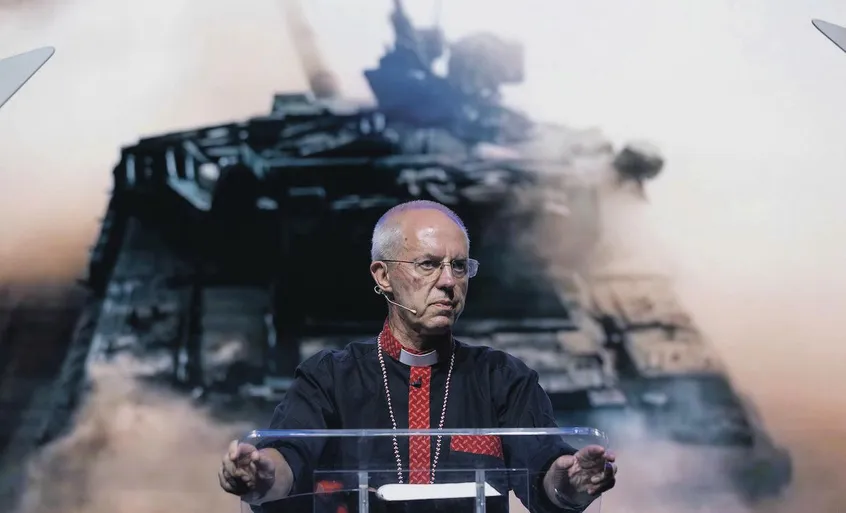
The theme of the recent Lambeth Conference convened by the Archbishop of Canterbury was ‘God’s Church for God’s World’. As Christians we know that ‘whether thrones or powers or rulers or authorities; all things were created by him and for him’. Indeed, power and how it is used has been a theme through much of what has been said by Archbishop Justin. Not a surprise perhaps, given one of his earliest memories is having tea while weeping with Winston Churchill. Memories of power are, well, powerful!
Power was notably a theme during the safe church discussions at the Conference, but ran as a thread throughout the 12 days. Bishops were reminded of the temptations of power for ‘when we do not recognise our power we too easily misuse it’. All church leaders too ‘have power and authority by virtue of their role’. Power lies behind what the Archbishop called ‘the greatest paradox, the greatest puzzle of the church’ – how can institutions based on the gospel tolerate or even cover up evil things like abuse? As humans we can be tempted to preserve our own power, yet the more you cling onto power, ‘the more it slips through your fingers,’ he added.
Given this clarity, how was power used during the processes around the Conference itself?
Where was the power when the Lambeth Calls were being developed, then edited after the Drafting Groups and before publication? Who edited them further after the powerful furore that erupted over the addition of Lambeth I.10? Was the power with the bishops praying and discussing in small groups and feeding back to a facilitator? Or will it be with the unknown few charged with collating and revising the texts in response?
Where was the power when in a discussion about a safe church, silence was deemed to be consent and agreement?
Where was the power when the narrative that all bishops were ‘Walking Together’ was continued despite the Global South Fellowship of Anglican Churches Communique stating orthodox bishops could not walk together ‘in continuing dialogue with those who have departed from the way (or path) of truth’. Their Chairman, Archbishop Justin Badi, was clear: ‘We may be “gathered together”, but we most certainly cannot “walk together”.’
In his closing keynote on 7 August, the Archbishop reminded us that we are all called to challenge systems of power and oppression. He also observed that a key mark of declining institutions or churches is that while they may have a vision of what they should do, ‘there is no implementing of the strategy’.
Given that, where will the power be when the Conference narrative is written, as Lambeth 2022 moves into Phase Three, that of ‘decisions shared and implemented’?