There are encouraging reports of new gospel growth in France – with evangelicals claiming one church is being established every ten days, and a new study revealing younger Protestants are increasingly likely to identify as evangelical.
Data collected by the French Institute of Public Opinion (IFOP) on behalf of the Protestant Federation of France reveals that younger people and those on lower incomes who regard themselves as practicing Protestants in France are increasingly likely to identify as evangelical Christians.
While Protestantism remains a small minority view, amounting to about 2% of the French population behind Catholicism (55%) and Islam (3%), this research has left researchers questioning whether the nature of French Protestantism is changing,

The study, reported on website Evangelical Focus, was the first of its kind since 2010 and questioned 700 Protestants in France, highlighting that 35% of respondents described themselves as evangelical, rising to 53% amongst those under 35, but falling to just 26% when only those over that age were considered.
Giving thanks to God
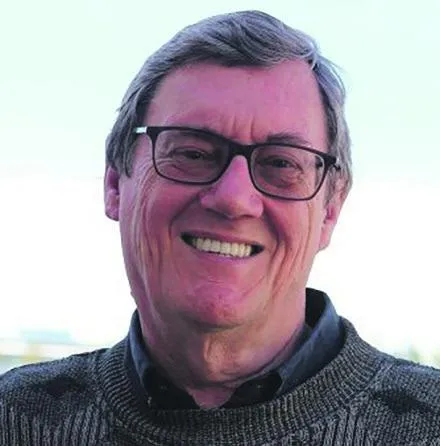
Dave Brown, a pastor and France Mission partner praised God for the apparent 15% rise in evangelicalism over the last 70 years. He said: “From 50,000 in 1950, today there are over 745,000 evangelicals of all ages with regular activity in 2,700 local churches in metropolitan France.
“Evangelicals are currently in the majority within French Protestantism in terms of the number of regular churchgoers (they account for three quarters) and the number of local churches. 35 additional local churches are established every year. That’s one every ten days. This phenomenon is not confined to major urban centres. It’s happening just about everywhere in France.”
Furthermore, income and education also appeared to have an impact on identification; 46% of those on the lowest incomes identified as evangelical, compared to just 15% of those on higher incomes, while 34% of those with less education declared themselves evangelicals, compared to 27% of those who were more educated.