Post-election: A tale of two speeches

John Woods  |  UK & Ireland
Date posted:  17 Jul 2024
Share Add       
Post-election: A tale of two speeches

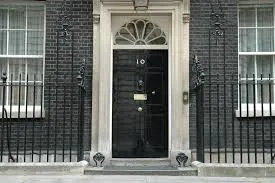
10 Downing Street

Preachers, politicians and stand-up comedians still speak to crowds. President Zelensky of Ukraine has combined the last two of these in his colourful career. He has demonstrated the power of well-chosen words delivered in the right place to the right people.

Many speeches have been delivered during the UK election campaign that drew to a decisive conclusion on 4 July.

On the day after the election two speeches were delivered outside the iconic door of 10 Downing Street. The speeches were delivered by a man who had wanted to stay and continue his job; the other was delivered by a man who was keen to get into no.10 and begin to implement his mission of change.

The two speeches were different in length, content, tone and sense of occasion.

The departing Prime Minister’s speech was the shorter of the two. It is difficult to be positive in defeat. The content of the speech revolved around the words ‘sorry’ and ‘thank you’. Rishi Sunak expressed sorrow that he had not persuaded the British people that he was the person who could deliver the future change he had promised, and sorrow that so many of his colleagues had lost their parliamentary seats in this election.

The tone of his speech, although subdued, did contain expressions of thanks to hard-working colleagues and personal gratitude to Britain for all it is, and all that it had given to his family. I was especially pleased to see an expression of generosity expressed toward Sir Keir Starmer in the speech (something that his successor was keen to reciprocate in his own speech).

Sir Keir Starmer’s speech was a victory speech and, not surprisingly, the generally rather wooden rhetoric of the Labour leader was transformed at times by a fluidity and freshness of expression. The tone was buoyant and optimistic, using the language of change, mission and renewal, and the healing of a national wound caused by a lack of trust. The tone was also humble, using the words ‘serve’ or ‘service’ eight times in the brief speech, and making it plain that his mission for change would not be accomplished easily or quickly.

Both men spoke appropriately to the occasion, capturing the moment in defeat and victory and reflecting the mood of their respective parties at this time.

Preachers can learn from these two carefully crafted speeches that addressed a nation at a decisive moment in its history.

Of particular note in these speeches is how they closed. Sunak managed to compress a narrative into a sentence: ‘This is a difficult day, at the end of a number of difficult days. But I leave this job honoured to have been your Prime Minister.’

Starmer concluded: ‘So with respect and humility I invite you to join this government of service in the mission of national renewal. Our work is urgent and we begin it today.’

Preachers need to leave their hearers with the impression that what they have heard in the sermon is of vital importance for them in this moment of time.

Why preach if it seems as if what we are saying does not matter that much?

Share
< Previous article| UK & Ireland| Next article >
Read more articles on:   politics
Read more articles by John Woods >>
Reviews
Give me joy in my heart

Give me joy in my heart

“Everyone wants to be happy”. That is how Andrew Wilson begins this brief but timely book.

Reviews
Rest refocussed through Christ

Rest refocussed through Christ

It is always a treat to receive one of these silver-covered volumes in the “New Studies in Biblical Theology” series. …

Looking for a job?

Browse all our current job adverts

Search

New here?

Register and get three free articles each month!

Register