Following Joel Barder's recent article on Zionism and racism,"'Zionism is racism' falls short – here's why", this article by Rory McClure, pastor of Parkside Evangelical Church, part of the FIEC, further explores some of the related theological issues.
The continuing conflicts in the Middle East present Christians with difficult questions. How should we respond to the suffering of Israelis and Palestinians? Should Christians have a particular sympathy for Israel because of its place in Biblical history? Does God's covenant with Abraham give the modern State of Israel a special claim upon our support? How should the teaching of Jesus shape our attitudes towards these conflicts? These are theological and moral questions that deserve careful thought in the light of Scripture.
I write this with sorrow, and with a measure of fear that has been quietly exhausting to me.
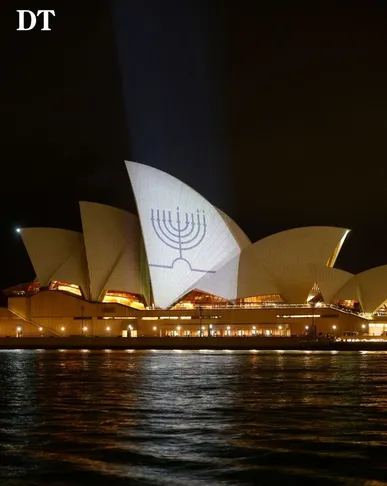
I am Jewish. Over the past two years I have stopped wearing Jewish jewellery in public. I moved to a new home and have not put a “mezuzah”* on my front door. When I was growing up, at Hanukkah, we would place our menorah in the front window for the neighbourhood to see. I don’t feel safe doing that anymore.

Middle East conflict: Whose side should Christians be on?
Following Joel Barder's recent article on Zionism and racism, "'Zionism is racism' falls short – here's why", this article by Rory McClure, pastor of Parkside Evangelical Church, part of the FIEC, further explores some of the related theological issues.
The continuing conflicts in the Middle East present Christians with difficult questions. How should we respond to the suffering of Israelis and Palestinians? Should Christians have a particular sympathy for Israel because of its place in Biblical history? Does God's covenant with Abraham give the modern State of Israel a special claim upon our support? How should the teaching of Jesus shape our attitudes towards these conflicts? These are theological and moral questions that deserve careful thought in the light of Scripture.