loving your digital neighbour
Christians, cybersecurity is important

Tristram Ridley-Jones
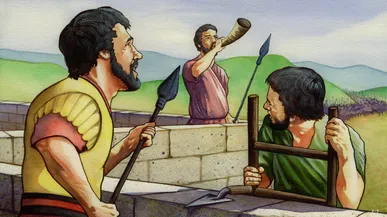
In our previous article, Cybersecurity: Loving your (digital) neighbour, we established that protecting the personal data of our congregation is a modern act of stewardship, integrity, and pastoral care. Just as Nehemiah rebuilt the walls of Jerusalem, we are called to post a guard at our digital gates.
However, a wall is only as strong as the watchman who stands upon it. The greatest risk to a church's security is often not a sophisticated external hacker, but a simple human error - a click on a malicious link. This is not a judgment on a lack of faith, but a call to practical wisdom and equipping our ministry teams with a "sound mind" (2 Timothy 1v7) to spot digital deception.

Bible app marks a billion downloads

Luke Randall
The founder and CEO of YouVersion has described the influence of their Bible app as “unimaginable” as it celebrates its billionth download less than 20 years since its inception.
The rapid development of AI has prompted questions around how far technology should go when it comes to matters of faith. However, Bobby Gruenewald believes the news that the world’s most popular Bible app is celebrating its billionth download worldwide shows the positive potential of modern technology for gospel opportunities.

How do we handle interruptions?

Jonathan Thomas
“Was that the doorbell? Did you hear something?” One of my greatest frustrations is getting an email saying that a parcel is going to be delivered, waiting in all morning for it, and then going to the front door… only to discover a passive-aggressive card that claims “We tried to deliver”. Did you? Really?
Mind you, there have been times when the delivery person has rung the bell and knocked the door, but I have been too busy to answer, honestly thinking that what I was doing was far more important. Every time I see that little card I start to wonder – what have I missed?
















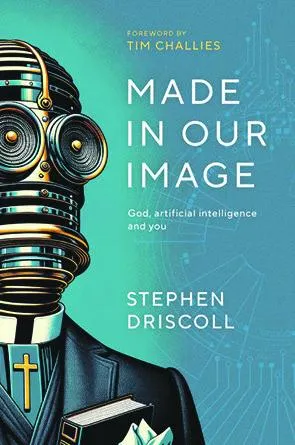




How should AI be used?
I like Artificial Intelligence (AI). I use it most days, and it has already proved itself a remarkably useful tool. But I also have concerns.
I used to be a lawyer, and it seems obvious to me that AI will make a good junior lawyer. It can review documents, analyse contracts, summarise case law, and draft a first version of a legal argument at astonishing speed. What's far less obvious is how anyone becomes a senior lawyer in a world where AI does most of the junior work.